

Can You Shower With a Cross On? (And Other Everyday Faith Questions)
TL;DR – Stainless steel handles showers, sweat and sleep without complaint. Sterling silver can tag along for daily wear, but it prefers a dry night and a weekly wipe. Gold plated pieces stay gorgeous while the plating lasts, so treat them gently. Whichever you wear, put it on last and take it off first.
You put your cross on in the morning and it stays on. That is the whole idea. But real life is not a jewelry box: there are showers, workouts, sunscreen, sleep, and the occasional ocean day. So the question comes up again and again. Can you actually shower with a cross on? What happens if it gets wet every single day? And which materials survive that kind of life without turning green, black, or rusty? If you are still hunting for a piece that can genuinely keep up with daily wear, our cross necklace collection includes stainless steel and sterling silver options built for exactly this kind of everyday life. This guide answers all of it, one situation at a time.
Can You Shower With a Cross On?
Yes, with one big caveat: it depends entirely on what your cross is made of. Water alone is rarely the villain. Soap, shampoo, conditioner, hard water deposits, and chlorine are the real troublemakers, because they strip protective coatings and speed up tarnish. Here is the breakdown by metal.
Stainless Steel: The Shower Champion
Stainless steel, especially 316L surgical grade, shrugs off daily showers. It does not rust, it does not tarnish, and soap scum wipes right off with a damp cloth. This is the material to pick if you never want to think twice about getting your cross wet. A quick rinse and dry after a shower is plenty.
Sterling Silver: Mostly Fine, With Care
Sterling silver is 92.5 percent pure silver, and pure silver reacts with sulfur in the air and with chemicals in tap water. That is what causes tarnish, the darkening you have probably seen on older pieces. Occasional shower exposure will not ruin a sterling cross, but daily hot showers with chemical-heavy products will speed up tarnishing noticeably. If you wear silver daily, dry it thoroughly after water exposure and give it a weekly polish.
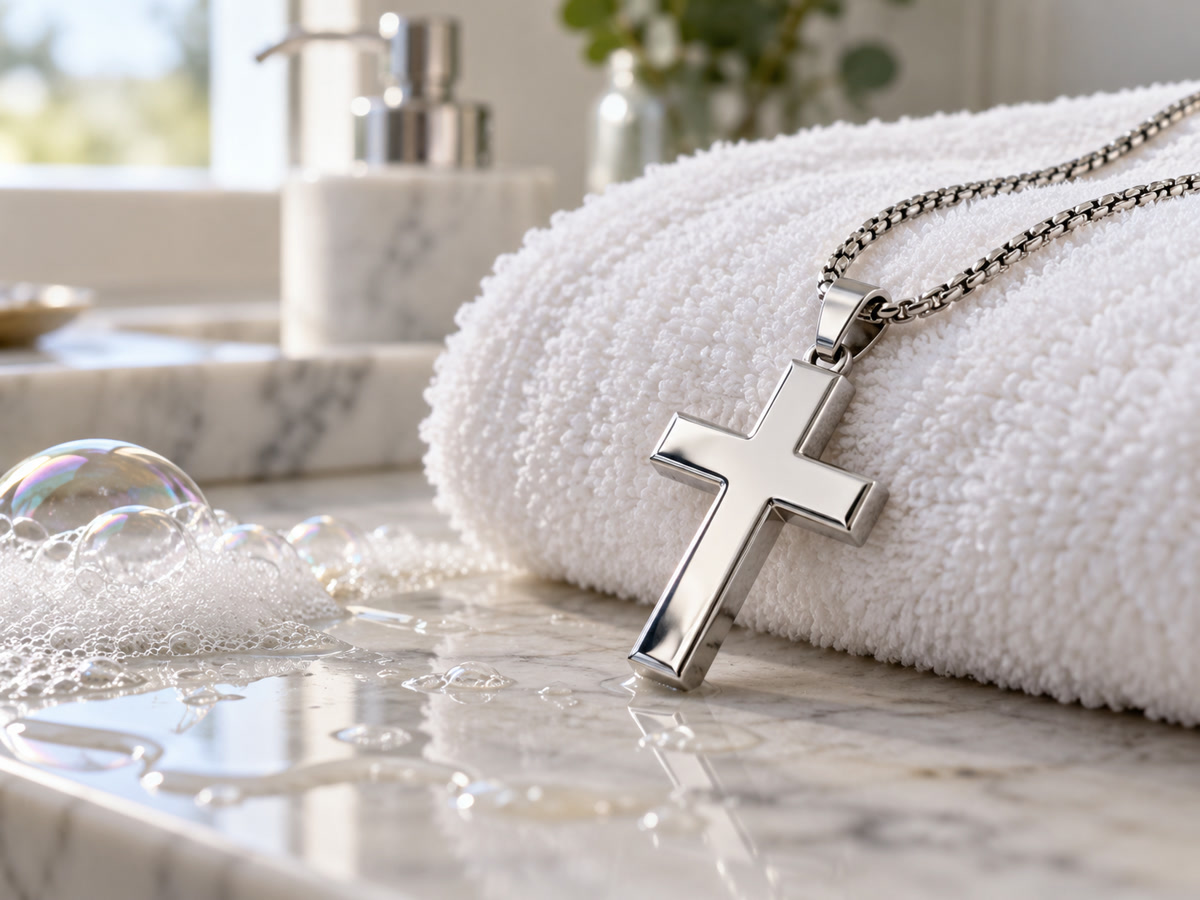
Gold Plated: Pretty but High Maintenance
Gold plated pieces have a thin layer of gold over a base metal. Soap, shampoo, and hard water wear that layer down over time, and once it goes, the piece is done. If you love the gold look and want to shower in it, keep showers short, avoid letting product sit on the metal, and dry immediately. For full peace of mind, take it off before you step in.
Can You Sleep With a Cross On?
You can, but your chain might not thank you. Sleeping means tossing, turning, and the cross catching on fabric, hair, or the clasp itself. Over weeks, that friction wears the chain links and stresses the clasp, which is the number one reason everyday chains snap. There is also a comfort side: a metal cross digging into your collarbone at 3 a.m. is not exactly restful.
The practical compromise: lightweight, smooth-edged crosses on a sturdy chain are generally fine for sleep. Chunky pieces, long pendants, and anything with sharp edges are better on the nightstand. If you do sleep in yours, check the clasp every few weeks for signs of wear, and lay it flat rather than letting it hang.
Gym, Pool and Everyday Sweat
Sweat is salty and slightly acidic, and it sticks to metal long after your workout ends. Over time, that residue dulls finishes and accelerates tarnish on silver. The good news is simple: wipe your cross with a soft dry cloth after every workout. That one habit adds years to any piece. If you train in a pool, rinse as soon as you are out, because chlorine keeps working on the metal until fresh water washes it away.
One more everyday exposure worth mentioning: sunscreen and insect repellent. Both leave a film that traps dirt against the metal and can discolor plating within weeks of regular contact. Apply them, let your skin absorb the product, and only then put your cross back on.
Chlorinated pools and saltwater are a step up in intensity. Chlorine attacks plating and can discolor lower-grade alloys; salt leaves corrosive deposits in tiny crevices and around stone settings. Swimming with a cross on is not automatic destruction, but rinse with fresh water immediately afterward and dry completely. For gold plated or gemstone-set pieces, the safest move is to leave them poolside in a dry bag.

Which Materials Handle Daily Wear Best?
If your cross is a true everyday companion, material choice matters more than style. Here is how the three main options compare when the goal is wearing your faith from morning shower to lights out.
Stainless Steel: Zero Fuss
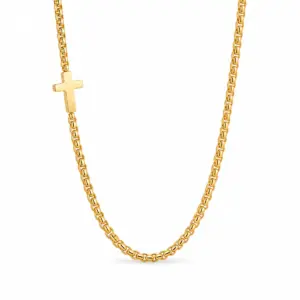
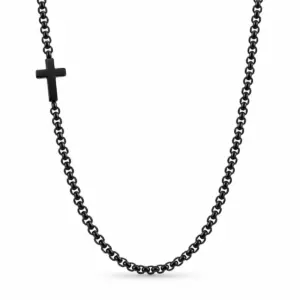
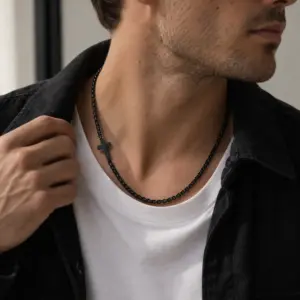
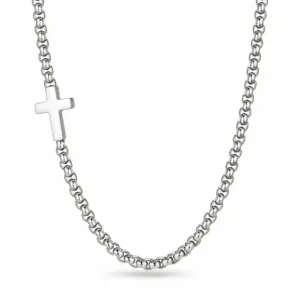
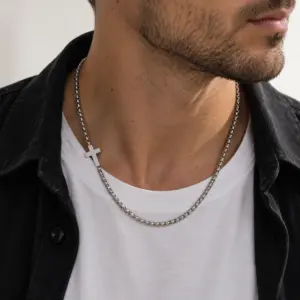
Stainless steel is the no-excuses material. It does not rust, it barely tarnishes, it handles sweat and soap, and it costs a fraction of solid silver or gold. The finish stays consistent for years with nothing more than an occasional wipe. If you want one cross that lives on your neck and never comes off, this is it.
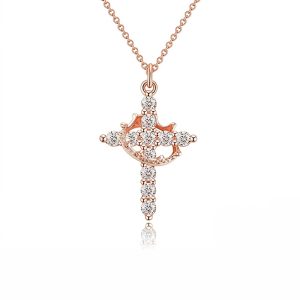
Our stainless steel picks for daily wear :


925 Sterling Silver: Beautiful, a Little Needy
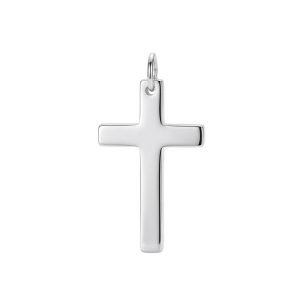
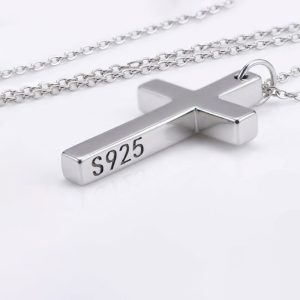
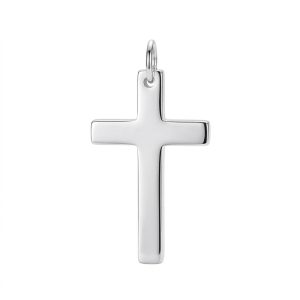
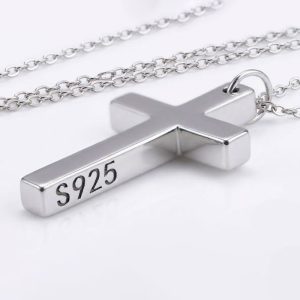
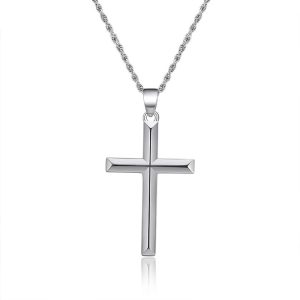
Sterling silver has a warmth and brightness that stainless steel cannot fake, and it is the traditional choice for faith pieces. The trade-off is maintenance. Tarnish is not damage, it is chemistry, and it wipes off with the right cloth. Treat a sterling cross well and it becomes an heirloom. Ignore it and it turns gray in a drawer.
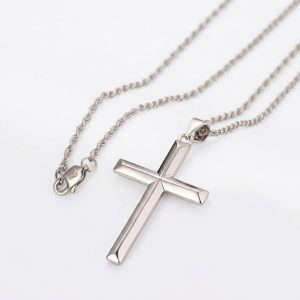
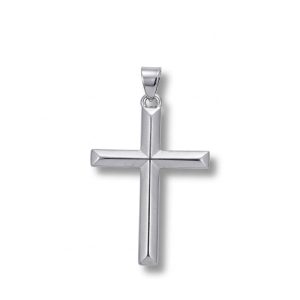
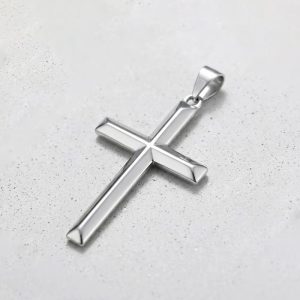
Sterling silver crosses worth the upkeep :
Gold Plated: Maximum Glow, Minimum Abuse
Gold plated pieces deliver the warm look of solid gold at an accessible price, and they are perfect for occasional wear or special occasions. For daily life, they need gentler habits: no showers, no workouts, wipe after wear, store separately. Do that, and the finish lasts far longer than most people expect.
A Simple Routine That Keeps Your Cross Safe
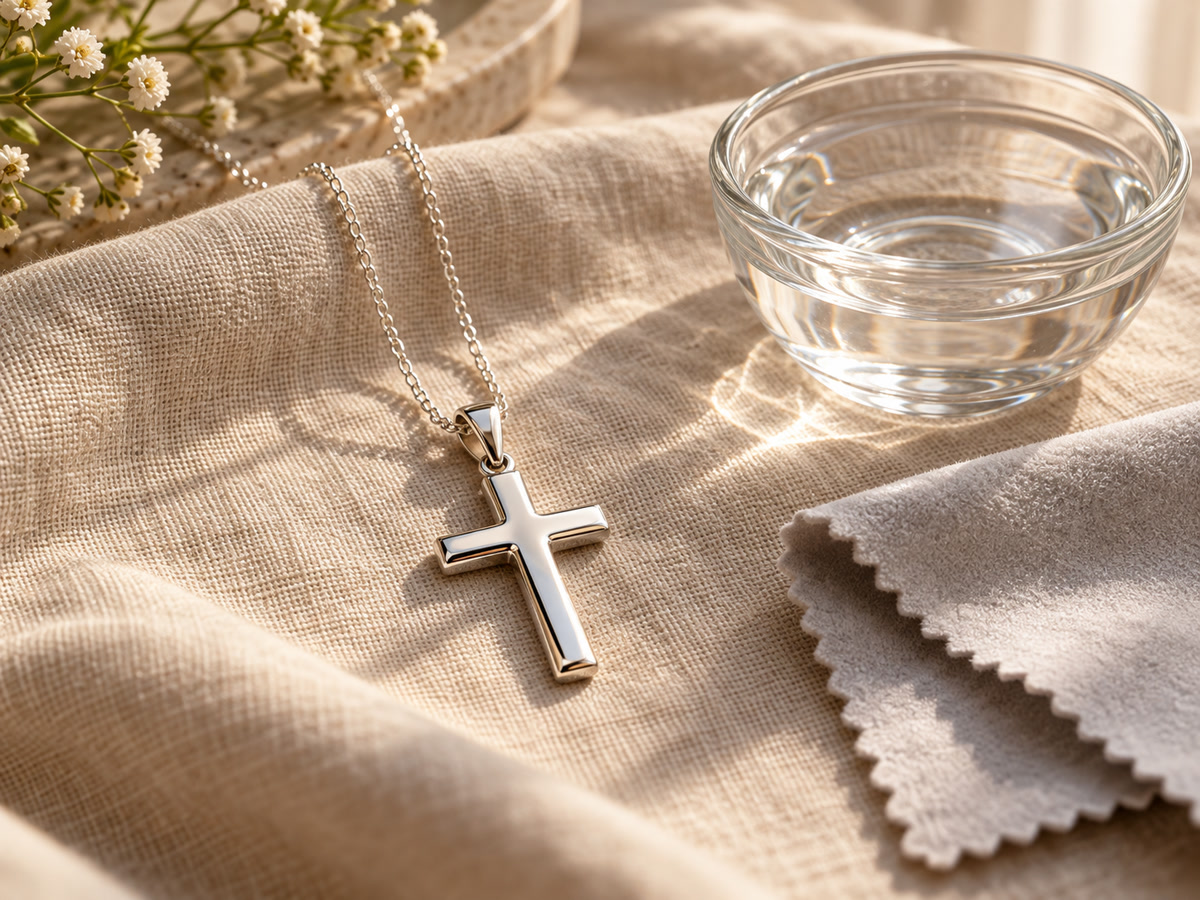
You do not need a ten-step ritual. A few small habits cover almost everything this guide talked about, and they take seconds a day.
- Put it on last. Perfume, hairspray, sunscreen, and lotion all contain chemicals that dull finishes. Give them a minute to dry before your cross goes on.
- Take it off first. Before workouts, cleaning, swimming, or gardening, unclip it. Twenty seconds of prevention beats a polishing session.
- Dry it after water. After a shower, swim, or sweat session, wipe the piece with a soft dry cloth, paying attention to the chain links and around any setting.
- Give silver a weekly wipe. A polishing cloth keeps tarnish from ever becoming visible. Five seconds a week is all it takes.
- Store it flat and dry. A soft pouch or a lined box, away from humidity. Chains tangle, moisture tarnishes, and bathroom cabinets do both.
Do those five things and your cross will outlast trends, seasons, and probably most of your wardrobe. And if a piece ever does lose its shine, that is not the end of the story: tarnish on silver and dullness on stainless steel both come back with a proper cleaning, and our step-by-step guide shows you exactly how.
Related Cross Guides
Want to go deeper? These guides cover the history, meaning, and care of crosses in more detail.
- 12 Types of Crosses in Christianity: History, Meaning & Jewelry Guide, the full overview of every major cross style.
- Sterling Silver vs Stainless Steel Cross Jewelry: Pros, Cons & Prices, the material comparison in depth.
- How to Clean Silver Jewelry at Home Without Ruining It (5 Methods), the tarnish removal playbook.
- Gold vs Silver Cross Necklace: Which One Should You Pick?, choosing between the two classic metals.
- The Crystia Jewelry Care Guide, our complete care reference for every piece. How to Untangle a Chain Without Snapping It (coming soon).