12 Types of Crosses in Christianity: History, Meaning & Jewelry Guide
TL;DR – The cross appears in many forms across Christianity: the Latin cross, Greek cross, Celtic cross with its ring, the three-barred Orthodox cross, the crucifix with Christ’s body, plus budded, Jerusalem, Maltese, ankh, sideways, and double crosses. Each carries its own history and meaning. This guide explains the 12 main types, what they symbolize, and which styles look best as necklaces.
Christians have used the cross as a symbol of faith for almost two thousand years. What many people do not realize is that the cross is not one single design. It is a family of symbols, each with its own history, regional origin, and spiritual meaning. If you are shopping for a cross necklace, understanding these types helps you pick a piece that truly speaks to you, whether you want something traditional, cultural, or modern. To see these designs side by side, browse our full cross necklace collection.
The 12 Main Cross Types Explained
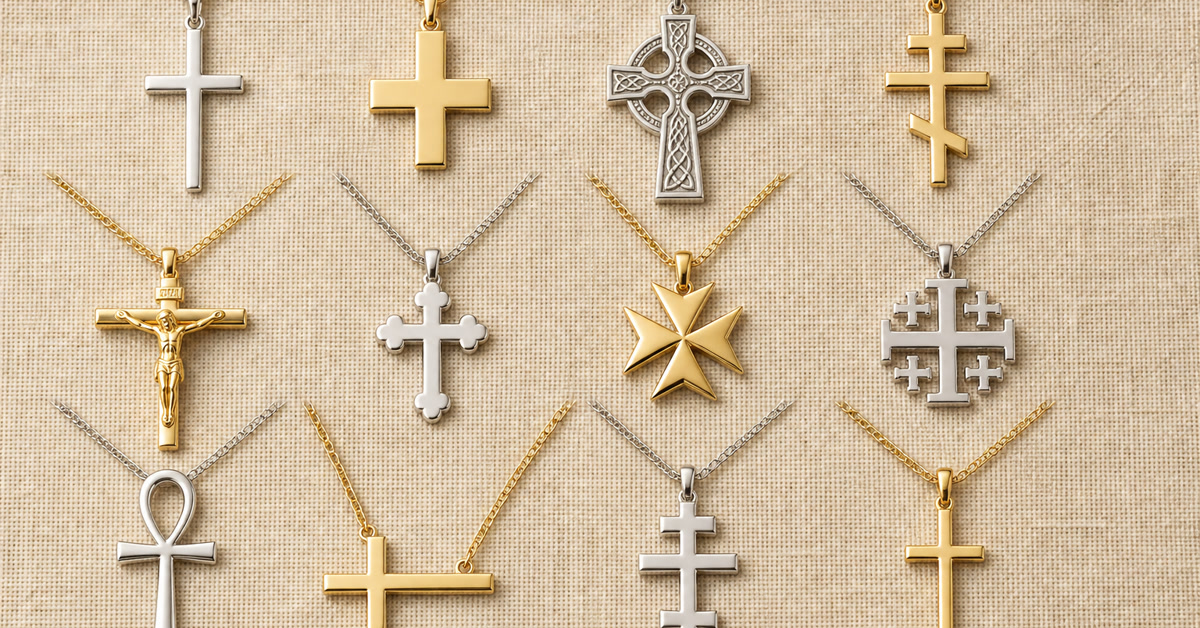
Here are the twelve cross designs you are most likely to encounter in churches, art, and jewelry, starting with the most common and working toward the more specialized.
1. The Latin Cross
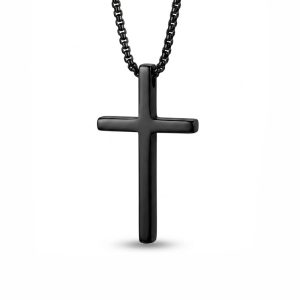
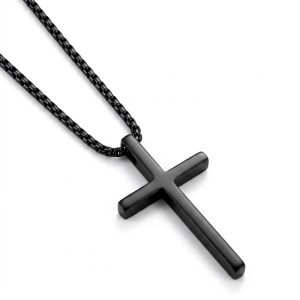
The Latin cross has a long vertical beam and a shorter horizontal beam placed above the midpoint. It is the shape most people picture when they hear the word cross. It represents the crucifixion of Jesus and is the standard symbol of Western Christianity. Most everyday cross necklaces, from simple stainless steel pendants to gold-plated designs, use this form. Read the complete guide to the Latin cross.
2. The Greek Cross
The Greek cross has four arms of equal length, giving it a balanced, square-like silhouette. It predates Christianity as a symbol in several ancient cultures, but within the faith it became especially popular in the Byzantine world and Eastern churches. Its symmetry makes it a favorite for pendants and engraved pieces. Read the complete guide to the Greek cross.
3. The Celtic Cross
The Celtic cross combines the traditional cross with a ring around the intersection of the arms. It emerged in Ireland and Scotland, likely blending Christian symbolism with earlier sun-cross imagery. For people with Irish, Scottish, or Welsh heritage, it is a powerful symbol of both faith and ancestry. Modern Celtic cross necklaces keep the ring detail in silver and gold. A dedicated guide to the Celtic cross is coming soon.
4. The Orthodox Cross
The Orthodox cross, also called the three-barred cross, has the main horizontal beam, a shorter titulus bar near the top, and a slanted footrest at the bottom. The tilt of the lower bar has deep theological meaning in Eastern Orthodox tradition. It is instantly recognizable and widely worn in Russian, Greek, Serbian, and other Orthodox communities. A dedicated guide to the Orthodox cross is coming soon.
5. The Crucifix
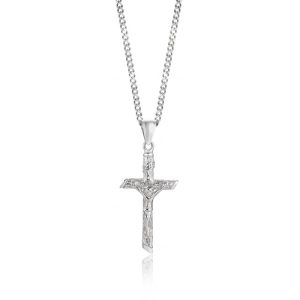
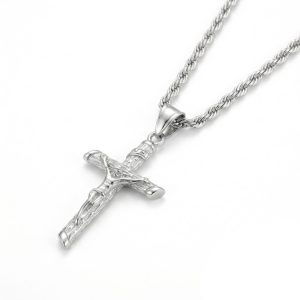
A crucifix is a cross that includes the body of Christ, called the corpus. It depicts the crucifixion itself rather than just the empty symbol. The crucifix is central to Catholic devotion and is often given for First Communion, Confirmation, and baptism. It reads as more explicitly religious than a plain cross, which is exactly what many wearers want. See the full crucifix vs cross comparison.
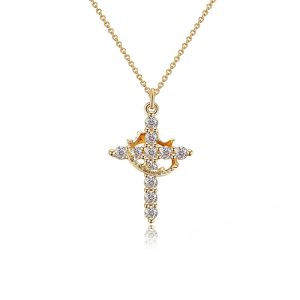
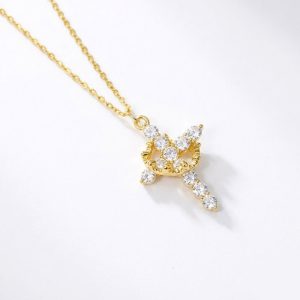
Traditional cross types you can wear every day:
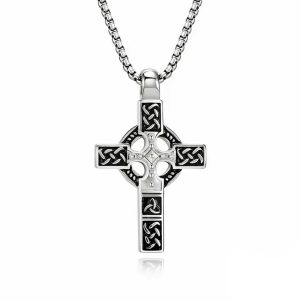
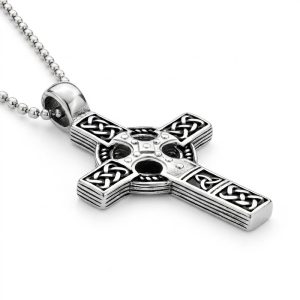
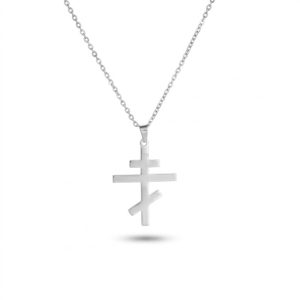
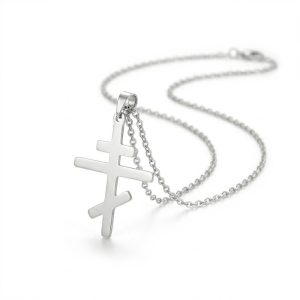
6. The Budded Cross
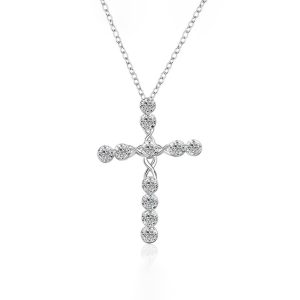
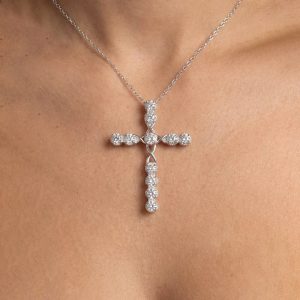
The budded cross, also called the trefoil cross, has small circular or leaf-shaped ends on each arm. The buds are said to represent the Holy Trinity, with each lobe pointing to one of the three persons. It is a refined, slightly ornate design that appears frequently in church architecture and in delicate jewelry.
7. The Jerusalem Cross
The Jerusalem cross, also known as the Crusader cross, features one large central cross surrounded by four smaller crosses in the corners. The five crosses are often interpreted as the five wounds of Christ, or as Christ spreading the gospel to the four corners of the world. It is a bold, symbolic design with strong historical roots.
8. The Maltese Cross
The Maltese cross has four arms that widen toward the tips, with eight points total. It is the famous symbol of the Knights of Malta and carries associations of bravery and protection. In Christian jewelry, it is often chosen for its striking, heraldic look rather than as a daily devotional piece.
9. The Ankh Cross
The ankh is an ancient Egyptian symbol shaped like a cross with a loop at the top. Coptic Christians adopted it as a cross variant, connecting the old symbol of life with the new faith. Today it appears in jewelry as a bridge between ancient history and Christian symbolism, and as a meaningful choice for those drawn to its unique silhouette.
10. The Sideways Cross
The sideways cross is a modern styling of the Latin cross rotated 90 degrees. It has no deep theological origin. It became popular as a fashion statement in recent years, especially among younger wearers. If you want a cross that reads as stylish and contemporary rather than overtly religious, this is the design to consider. A dedicated guide to the sideways cross is coming soon.
11. The Double Cross
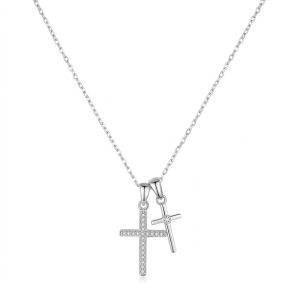
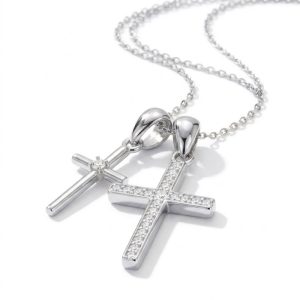
The double cross features a second, shorter horizontal bar above the main one. It is related to the patriarchal cross and the Lorraine cross, used historically as symbols of archbishops and of the Kingdom of Hungary. In jewelry, the double cross offers a distinctive layered look that stands out from single-bar designs.
12. The Gothic Cross
The gothic cross is a style rather than a distinct historical type. It refers to crosses with pointed, ornate, or darker detailing, often in black or antiqued finishes. It appeals to those who want a cross with edge and attitude while keeping the Christian symbol intact.
Modern and statement cross styles:


How to Choose the Right Cross for You
With twelve types to consider, the choice comes down to a few simple questions. If your faith tradition matters to you, start there. Catholics often prefer the crucifix, Orthodox believers the three-barred cross, and Protestant traditions the plain Latin cross. If heritage is your focus, the Celtic cross or the Orthodox cross connects you to your roots. If you are shopping on style alone, the sideways, double, or gothic crosses offer a more contemporary feel. For a deeper look at how the crucifix and the plain cross differ, read our crucifix vs cross guide. And if you are weighing materials, our sterling silver vs stainless steel comparison covers durability and care.
Whatever type you choose, look for quality materials that match your lifestyle. Stainless steel handles daily wear with almost no upkeep. Sterling silver offers a classic weight and luster that develops character over time. Gold-plated pieces bring warmth and a dressier feel. All of these are available across every cross type at Crystia.