The Latin Cross: History, Symbolism & Meaning of Christianity’s Most Iconic Symbol
TL;DR – The Latin cross is the most recognized symbol of Christianity: a long vertical beam crossed by a shorter horizontal beam above the midpoint. It represents the crucifixion of Jesus and the promise of resurrection. This guide covers its history from ancient Rome to today, its deep symbolism, how it differs from the Greek and Orthodox crosses, and how to choose a Latin cross necklace in the right material for your style.
The Latin cross is everywhere. It rises above church steeples, hangs around necks, appears on gravestones, and sits in the pages of history. You have seen it a thousand times. Yet few symbols carry as much history, theology, and quiet power in such a simple shape. This guide walks through what the Latin cross really is, where it comes from, what it means, and how to choose a Latin cross necklace that fits your life. If you want to wear that history, our cross necklace collection includes Latin cross designs in sterling silver and gold plating.
What Is the Latin Cross?
The Latin cross, also called the crux immissa, is a cross with a long vertical beam and a shorter horizontal beam positioned above the midpoint of the vertical. That single detail, the horizontal beam sitting higher than center, is what distinguishes it from the Greek cross, where all four arms are equal in length.
The name comes from the Latin word crux, meaning cross, and the design reflects the shape of the instrument of execution used across the Roman Empire during the time of Jesus. It is the standard cross of Western Christianity: the Roman Catholic Church, most Protestant denominations, and the broader cultural image of the Christian faith.
Latin Cross vs Greek Cross vs Orthodox Cross
People often confuse the main cross types. Here is the quick distinction. The Latin cross has the long lower arm and the raised horizontal bar. The Greek cross has four arms of exactly equal length, a shape favored in Eastern and Byzantine art. The Orthodox cross keeps the Latin proportions but adds a short titulus bar at the top and a slanted footrest at the bottom. Each tells a different story, and each has its own community of wearers.
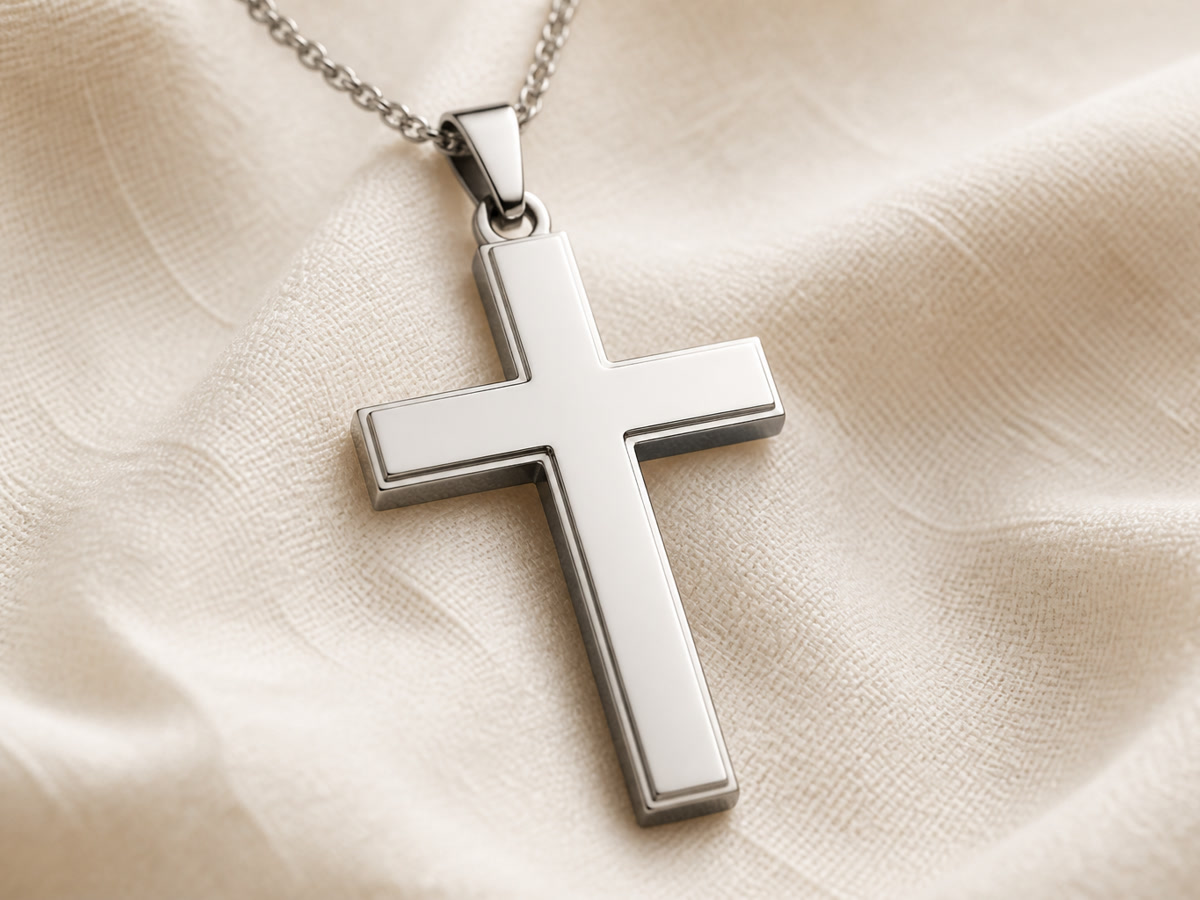
The Latin cross pendant: a long vertical beam with a shorter horizontal beam above the midpoint.
For a complete tour of all the main designs, see our guide to 12 types of crosses in Christianity.
The History of the Latin Cross
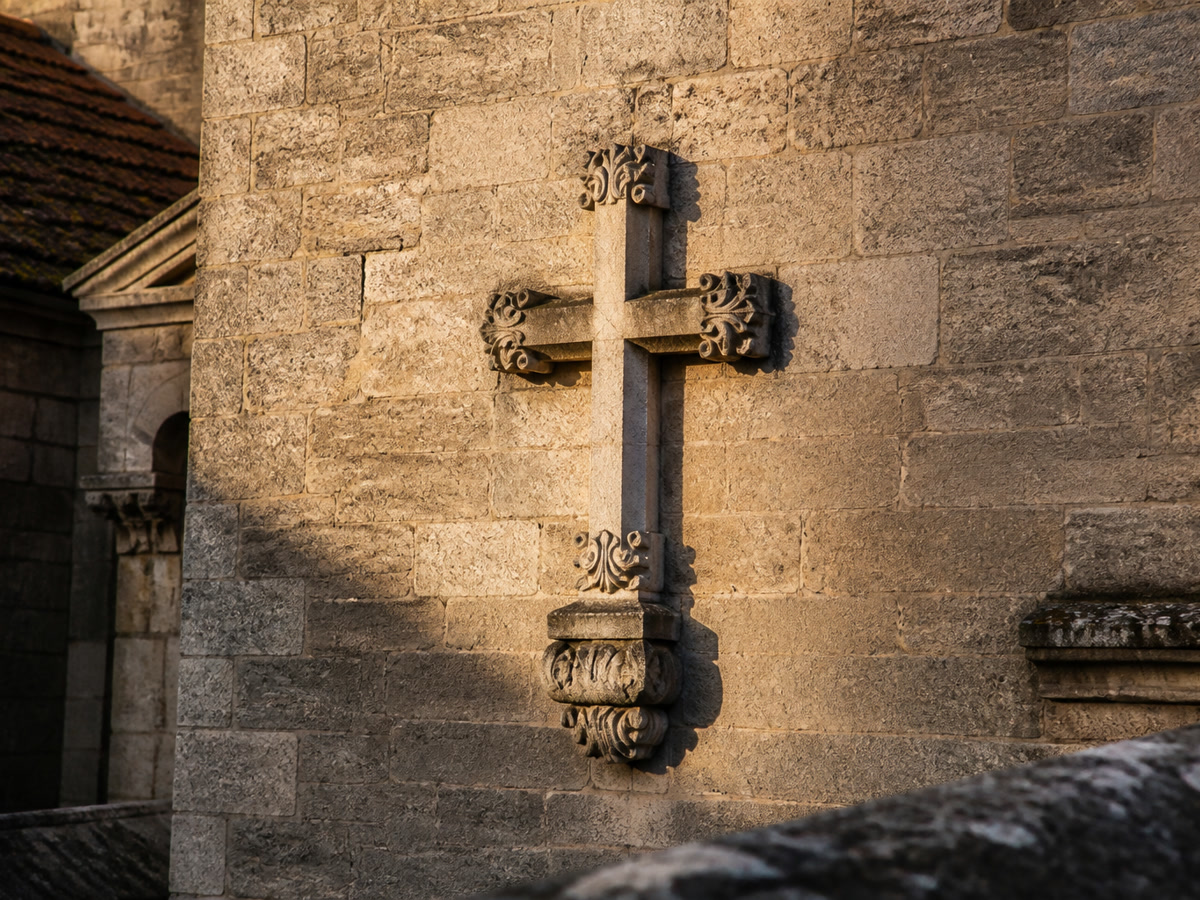
The story of the Latin cross begins long before it was a symbol of faith. In the first century, crucifixion was a brutal Roman punishment reserved for slaves, rebels, and the worst criminals. The cross itself carried shame, not glory. Early Christians did not wear crosses or display them openly. Instead, they used hidden symbols: the fish, the anchor, the chi-rho monogram.
Key Dates in the Story of the Latin Cross
- c. 30 CE – Jesus is crucified on a Roman cross in Jerusalem. The cross is a Roman instrument of execution, a symbol of shame, not yet a Christian emblem.
- 1st to 3rd centuries – Early Christians avoid the cross in public. They use hidden symbols: the fish (ichthys), the anchor, and the chi-rho monogram.
- 312 CE – Emperor Constantine reports a vision of a cross of light before the Battle of the Milvian Bridge. He wins, converts, and the cross begins its public rise.
- 4th century – Crucifixion is abolished across the Roman Empire. The cross becomes the central symbol of the now-tolerated Christian faith.
- 5th to 6th centuries – The Latin cross appears on churches, coins, manuscripts, and the first personal cross jewelry.
- Middle Ages – The cross marks pilgrimage routes, stands at crossroads, and is worn by monks, knights, and ordinary believers across Europe.
- 16th century – The Reformation refocuses attention on the empty cross of the risen Christ rather than the crucifix with the body.
- Today – The Latin cross is the most recognized symbol on earth, worn by millions as a sign of faith, heritage, and style.
From Hidden Sign to Public Symbol
Everything changed in 312 CE. The Roman Emperor Constantine reported a vision before the Battle of the Milvian Bridge, a sign in the sky often described as a cross of light. He won the battle, converted to Christianity, and began the slow transformation of the empire. Within a generation, the cross moved from a shameful execution device to the central emblem of the most powerful institution in the Western world.
By the fifth and sixth centuries, the Latin cross appeared on churches, coins, manuscripts, and personal jewelry. Missionaries carried it across Europe. Kings marched under it. Artists painted it above altars and on the walls of cathedrals. The shape we now recognize instantly became the visual shorthand for an entire civilization and its faith.
The Cross Through the Middle Ages
During the Middle Ages, the Latin cross grew even more central to Christian life. It marked the stations of the pilgrimage routes, stood at crossroads, and was worn by monks, knights, and ordinary believers. Crusaders took crosses with them, and the image of the cross spread through art, architecture, and heraldry. The Reformation of the sixteenth century did not remove the cross; it refocused attention on the empty cross of the risen Christ, rather than the crucifix with the body.
Today, the Latin cross remains the universal visual language of Christianity. It appears in every denomination, every culture, and every corner of the world, worn by millions as a statement of faith, heritage, or style.
The Symbolism of the Latin Cross
The Latin cross is one of the most meaning-dense symbols in human history. Every part of its geometry carries theological weight.
The Vertical Beam: The Bridge Between Heaven and Earth
The long vertical beam points upward toward God and downward toward humanity. It is often read as the connection between heaven and earth, the meeting place of the divine and the human. The tall lower arm grounds the symbol in the physical world, while the upper arm reaches toward the eternal.
The Horizontal Beam: The Embrace of All People
The horizontal beam stretches outward, left and right, symbolizing the reach of Christ’s love to all people, in every direction, without exception. Together with the vertical, it forms the shape of embrace: God reaching down, love reaching out.
The Empty Cross: Resurrection Over Suffering
Unlike the crucifix, which shows the body of Christ, the empty Latin cross points past the suffering of Good Friday to the victory of Easter morning. It is a symbol of hope, of new life, of the promise that death does not have the final word. This is why the plain Latin cross is the preferred symbol of most Protestant traditions and remains deeply meaningful to Catholics as well.
The Latin Cross as Personal Symbol
Beyond theology, the Latin cross has become a personal symbol for millions. For some it is a daily reminder of faith. For others it is a family heirloom, a connection to heritage, or simply a beautiful piece of jewelry. The cross manages to be at once the most public and the most intimate of symbols.

Wearing a Latin cross: a daily reminder of faith, heritage, and style.
Latin Cross Necklaces: Choosing the Right Material
The Latin cross is the most common cross pendant in the world, which means you have a wide range of materials, finishes, and sizes to choose from. Here is what each option brings.
Stainless Steel: The Everyday Workhorse
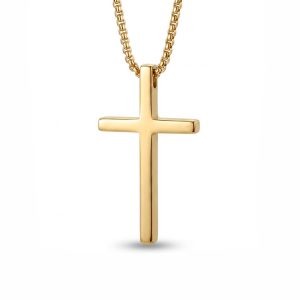
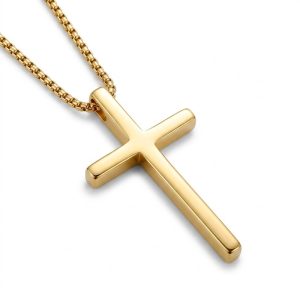
Stainless steel is the best choice for daily wear. It resists water, sweat, and tarnish, needs almost no care, and comes in silver, gold, and black finishes. A stainless steel Latin cross necklace can be worn in the shower, at the gym, and on the beach without worry. It is also the most affordable option, making it ideal for a first cross or a gift.
Sterling Silver: Classic Weight and Luster
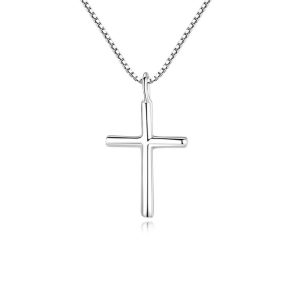
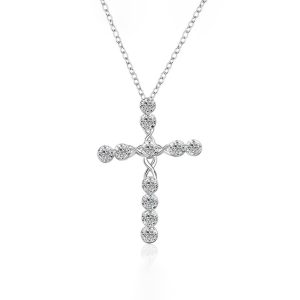
Sterling silver (925) offers the traditional bright luster and satisfying weight that many people associate with fine jewelry. It develops a natural patina over time, which adds character, and it can be polished back to brilliance in minutes. Silver suits both formal and casual looks and makes a meaningful gift for baptisms, confirmations, and anniversaries.
Gold Plated: Warmth and Elegance
Gold-plated Latin crosses bring warmth and a dressier feel. Modern gold plating over stainless steel or 925 silver is durable and holds its color far longer than older techniques. Gold crosses work beautifully for special occasions, layering, and anyone who prefers a warmer metal against their skin tone.
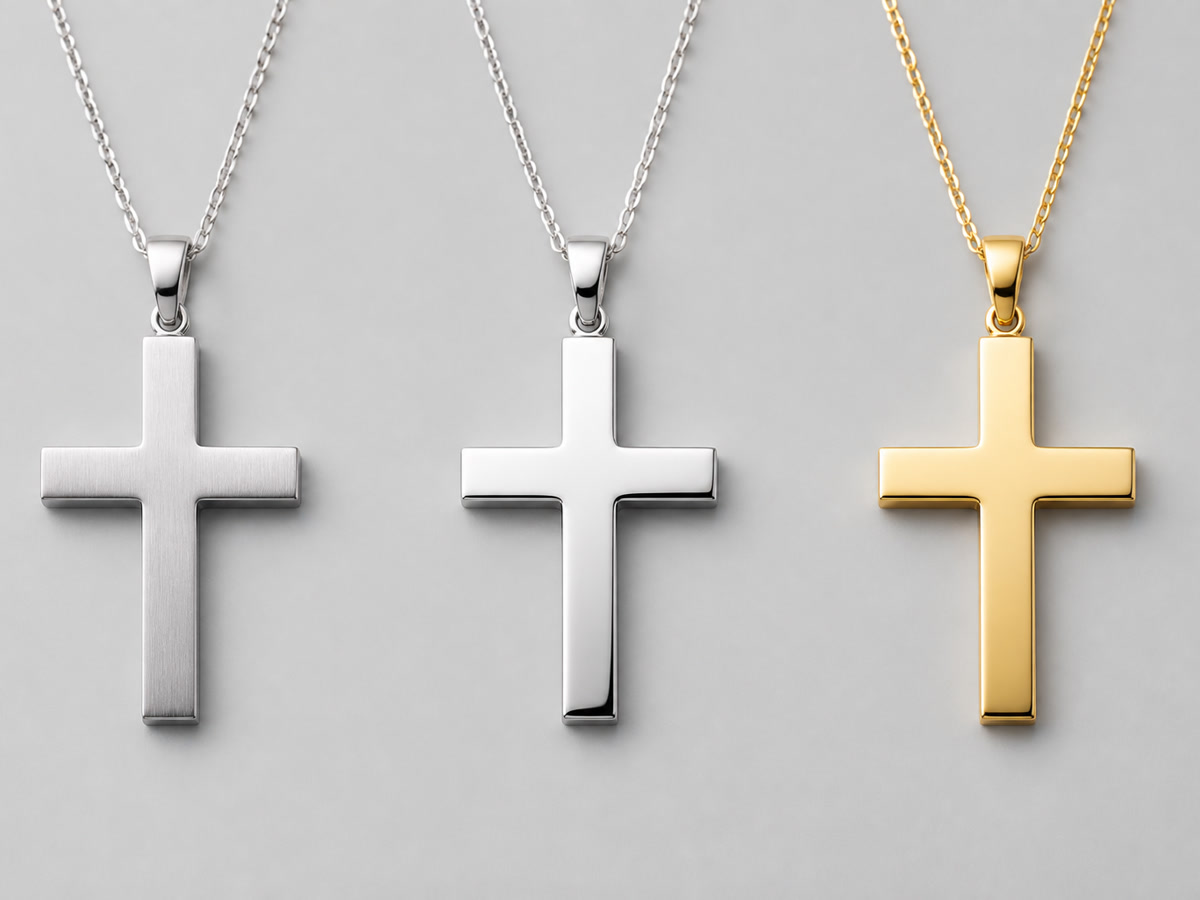
The Latin cross in three finishes: brushed stainless steel, polished sterling silver, and warm gold plating.
Our favorite Latin cross necklaces for everyday wear:



How to Wear a Latin Cross Necklace
A Latin cross necklace is one of the most versatile pieces of jewelry you can own. Here are a few ways to make it work for you.
Everyday Minimalism
A small stainless steel or silver Latin cross on a 16 or 18 inch chain sits right at the collarbone and disappears under a t-shirt while still making its quiet statement. It pairs with everything, from jeans to office wear, and never feels out of place.
Layering
The Latin cross layers beautifully with other necklaces. Mix lengths, metals, and pendant sizes. A gold cross on a short chain with a longer silver pendant creates depth without crowding. The cross works as both the anchor and the accent piece.
Statement Styling
A larger Latin cross pendant on a longer chain makes a deliberate statement. It works over a simple sweater, a plain dress, or an open-collar shirt. The bold geometry of the Latin cross carries presence without needing anything else.
Premium Latin crosses in sterling silver:


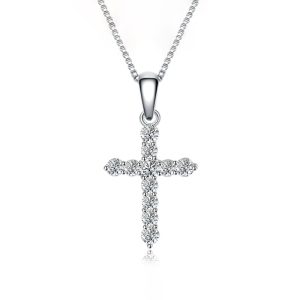

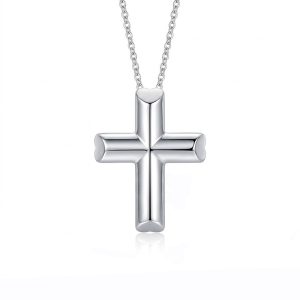
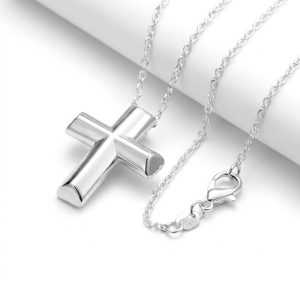
Caring for Your Latin Cross Necklace
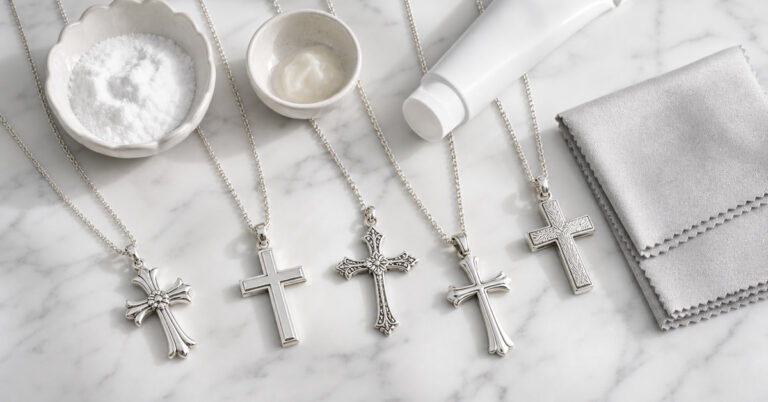
Proper care keeps your cross looking new for years. Stainless steel needs almost nothing: wipe it with a soft cloth and avoid harsh chemicals. Sterling silver benefits from a dedicated polishing cloth to remove tarnish, and should be stored in a soft pouch when not worn. Gold-plated pieces last longest when kept away from perfume, lotion, and chlorine. Put your necklace on last, after applying products, and remove it before swimming or showering if it is plated. For more detail, see our jewelry care guide.
Related Cross Guides
The Latin cross is one member of a large and fascinating family. Explore the other types to find the design that speaks to you.
- 12 Types of Crosses in Christianity: The Complete Guide
- Crucifix vs Cross: What’s the Difference?
- Greek Cross: History, Symbolism & Meaning (coming soon)
- Celtic Cross: History, Symbolism & Meaning (coming soon)
- Orthodox Cross: History, Symbolism & Meaning (coming soon)
- Sideways Cross: The Modern Trend Explained (coming soon)