
Can Non-Catholics Wear a Cross Necklace? Here’s the Truth
TL;DR
Non-Catholics – and non-Christians – can absolutely wear a cross necklace. No major Christian denomination has a doctrine against it. The cross has carried both religious and cultural meaning for decades, and today it’s worn by people of every background for reasons ranging from deep faith to personal style. What matters is that you wear it with some basic awareness of what it represents and with genuine intention. If that’s you, there’s no reason not to.
The Cross as a Religious Symbol vs. a Piece of Jewelry
The cross has been a central symbol of Christianity for nearly two thousand years. But somewhere along the way, it became something else too – a design worn by people of every background, faith, and intention.
That creates a real question for a lot of shoppers: Is it okay for me to wear one?
The short answer is yes. But the longer answer is more interesting – and worth understanding before you buy.
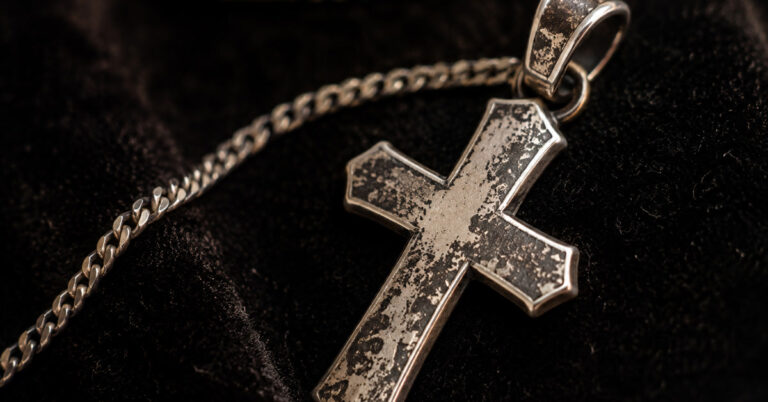
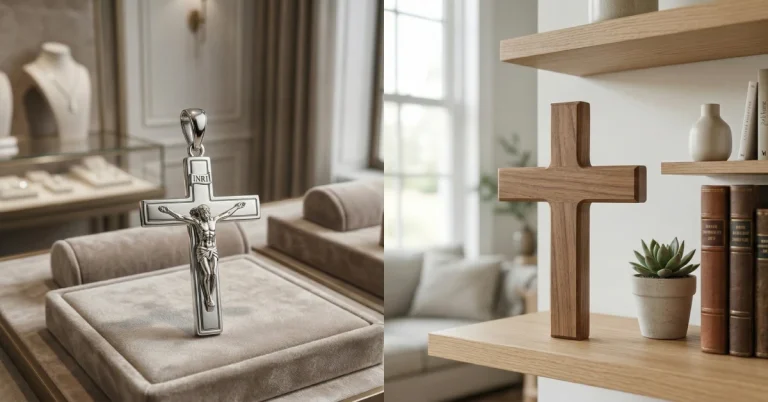
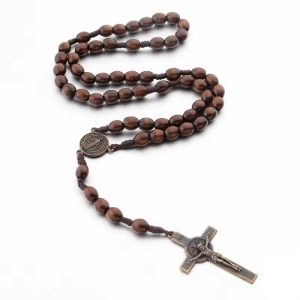
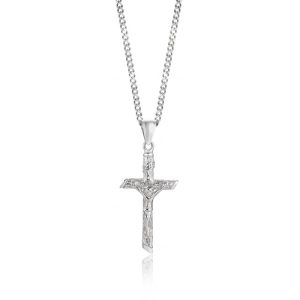
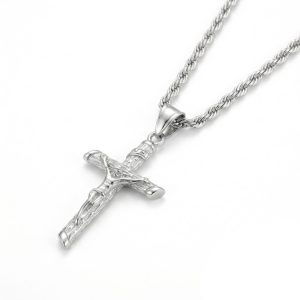
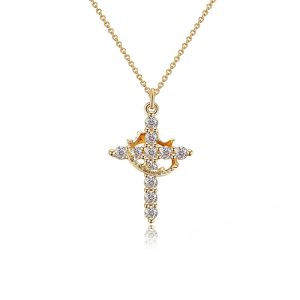
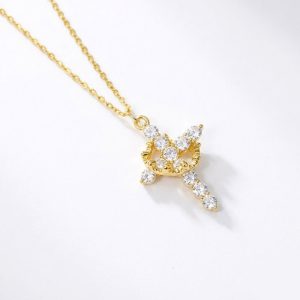
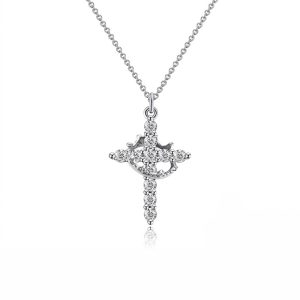
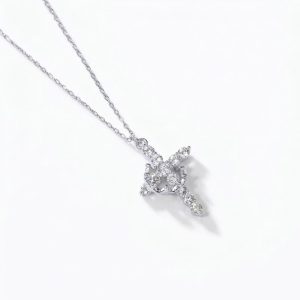
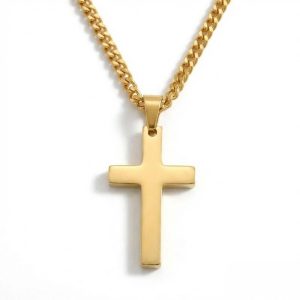
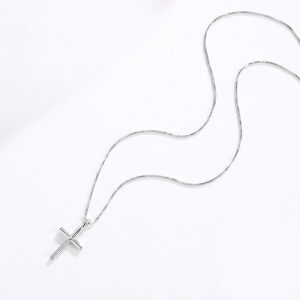
A few of our favorite plain cross necklaces :


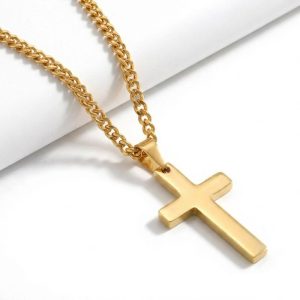
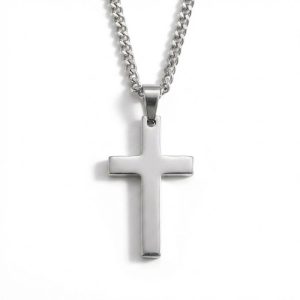
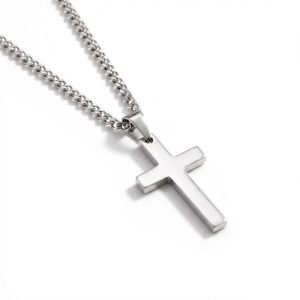
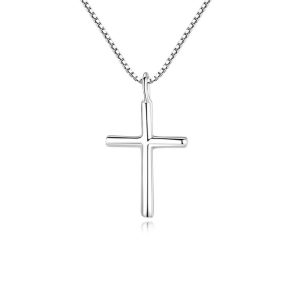
Where the Symbol Comes From
The cross as a Christian symbol dates back to the early Roman Empire. Early Christians used it to mark tombs, communicate in secret, and identify themselves to one another. Over centuries, it became the defining image of the faith – a reminder of sacrifice, resurrection, and redemption.
Different traditions developed their own versions. The Latin cross, the Orthodox cross with its three horizontal beams, the Celtic cross with its circle – each carries its own theological and cultural weight.
When a Symbol Becomes a Design
At some point in the 20th century, the cross began appearing outside strictly religious contexts. Rock musicians wore them. Fashion houses incorporated them. Athletes put them on before games. The symbol didn’t lose its religious meaning – it gained an additional layer as a cultural and aesthetic object.
Today, a cross necklace can mean devotion, heritage, style, or simply the fact that you like how it looks. Often it means several of these things at once.

What Different Christian Denominations Actually Think
There’s no single Christian position on who can or can’t wear a cross. Denominations vary significantly — and most are more relaxed about it than you’d expect.
Catholic Perspective
In Catholic tradition, the crucifix – a cross bearing the figure of Christ – is the primary devotional object. Many Catholics wear one as a sacramental, a physical reminder of their faith. The Church has no formal doctrine prohibiting non-Catholics from wearing crosses, though some Catholics would prefer the crucifix remain a specifically devotional item.
Protestant Perspective
Most Protestant denominations use the empty cross – without the figure of Christ – as their primary symbol, emphasizing the resurrection over the crucifixion. Protestants generally have no issue with non-believers wearing crosses and tend to see it as a potential opening for conversation rather than a violation.
Orthodox Perspective
Eastern Orthodox Christians hold the cross in deep reverence and typically wear one from baptism onward. While the cross carries significant sacramental meaning within Orthodoxy, there’s no formal teaching that restricts its use to believers.
The Bottom Line
No major Christian denomination has a doctrine prohibiting non-Catholics – or non-Christians – from wearing a cross. The concern, where it exists, is more cultural than theological.
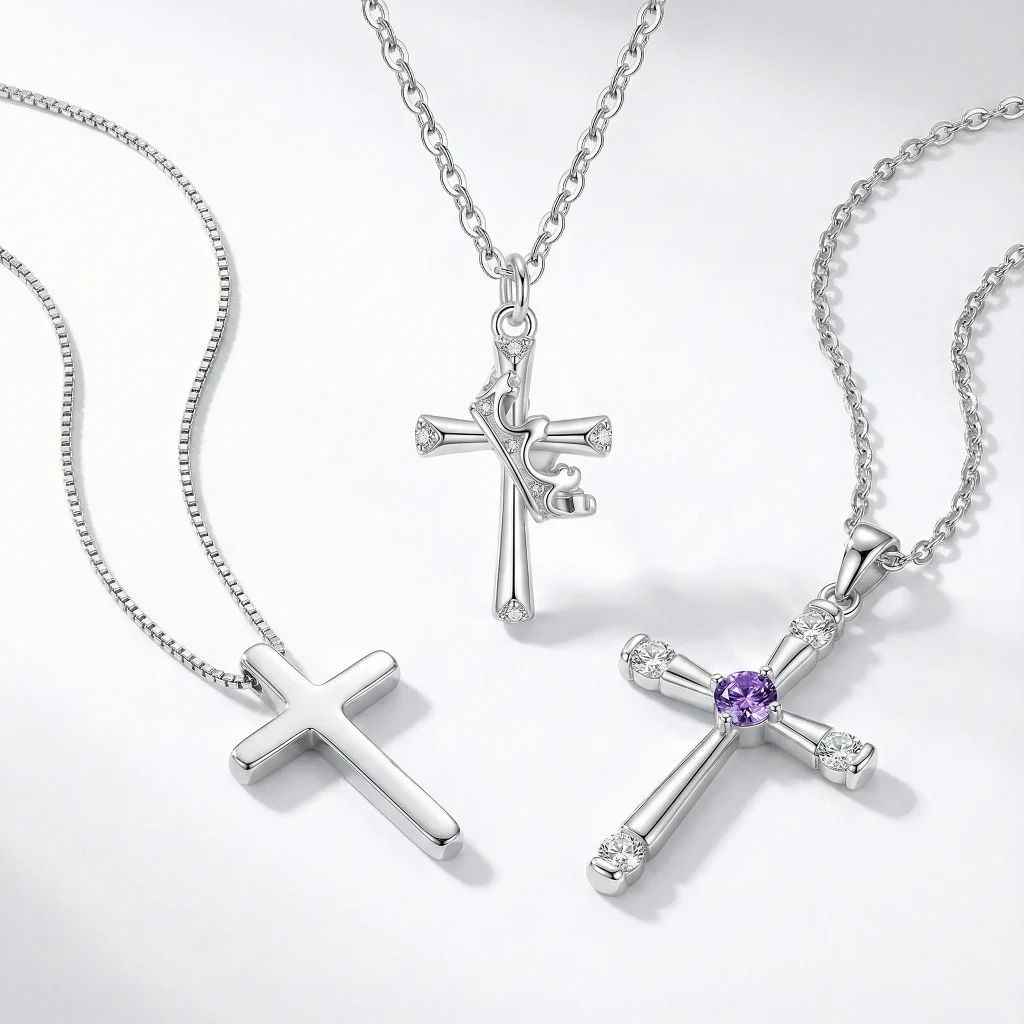
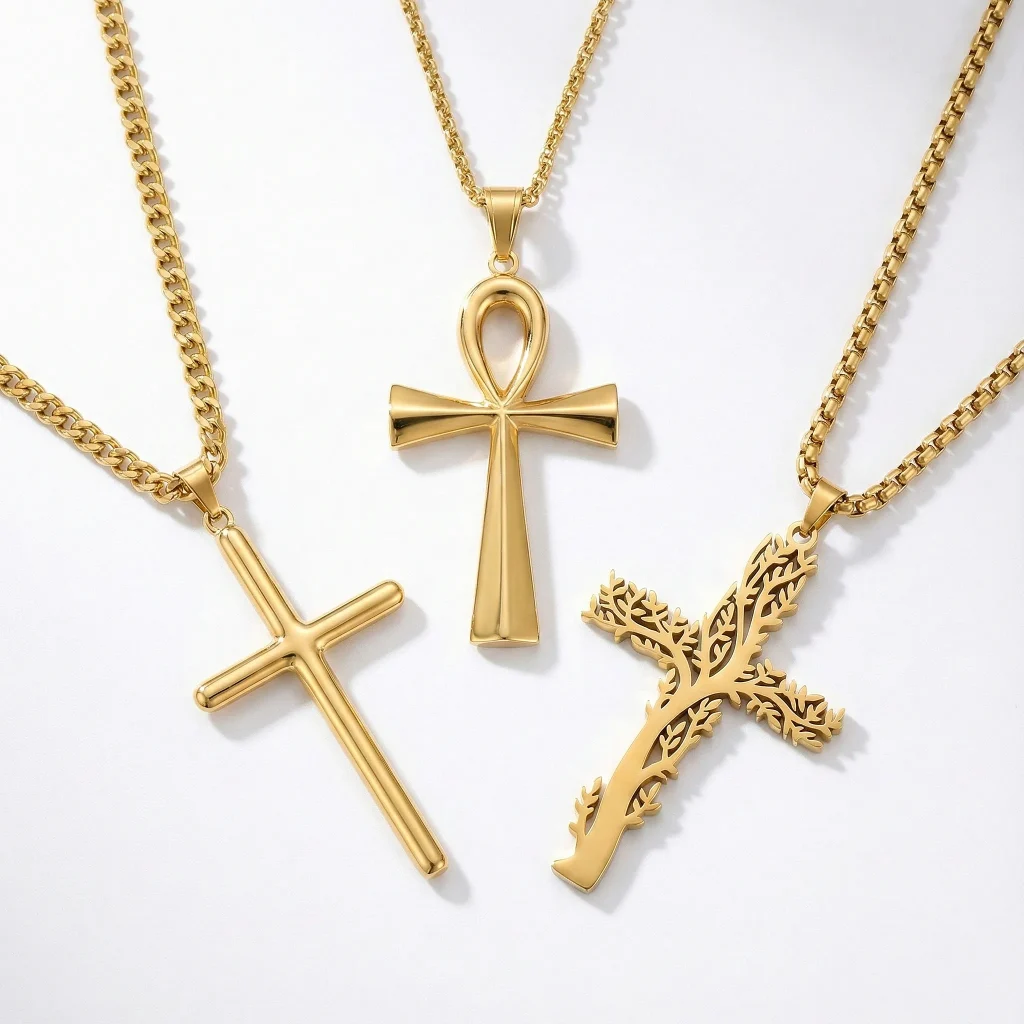
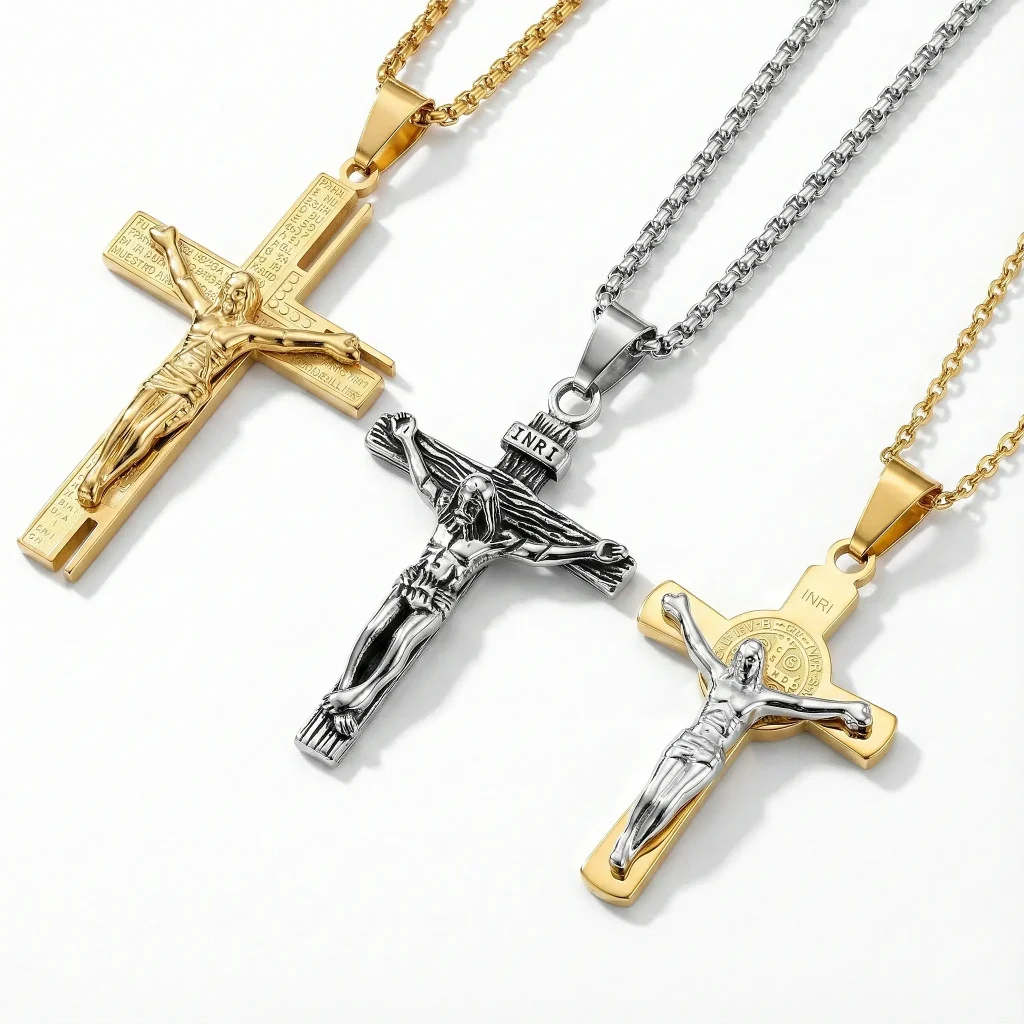
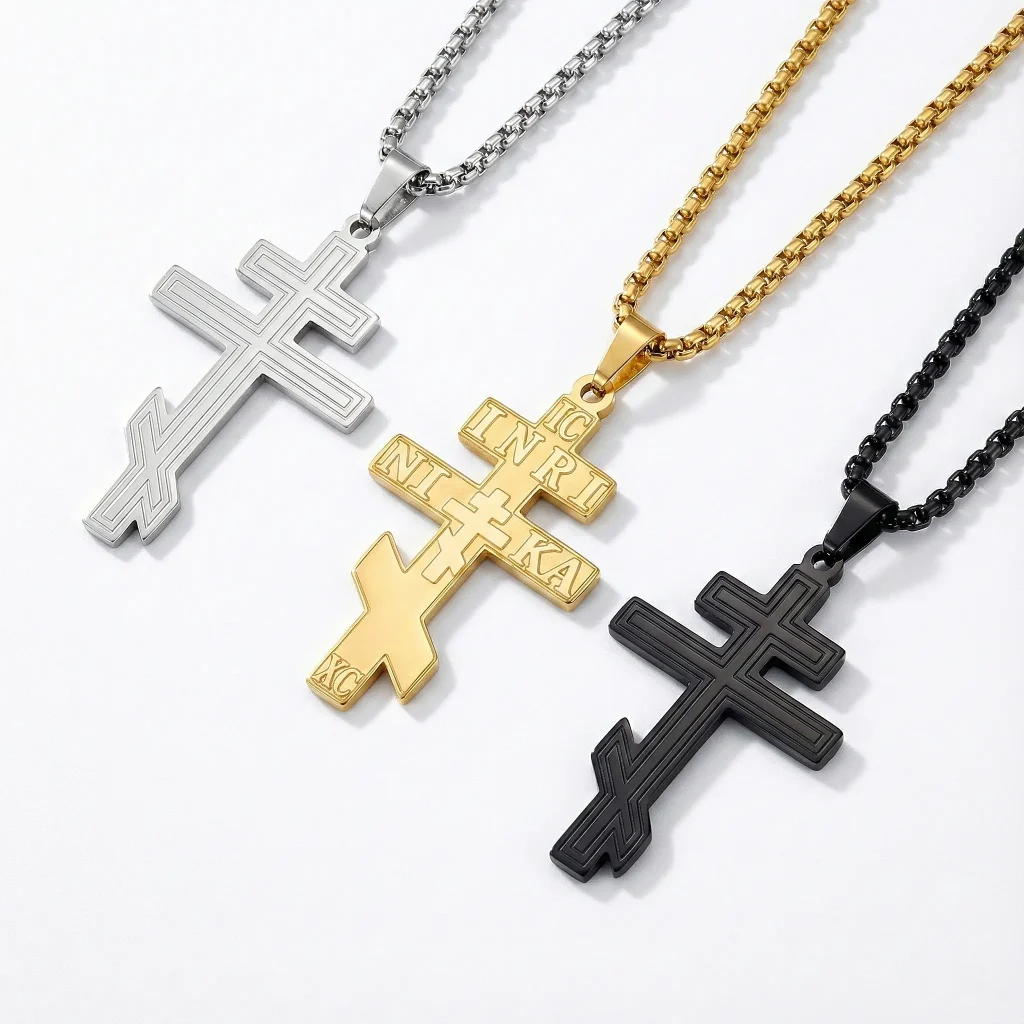
Find the Cross That’s Yours
Latin, Celtic, Gothic, crucifix – every style, every metal, in one place. Browse the full Crystia cross necklace collection and find the one that fits.
Why Millions of Non-Religious People Wear Crosses Today
The data is clear: cross jewelry is worn by a much broader population than practicing Christians. Here’s why.
Cultural Heritage
For many people, the cross is tied to family and ancestry rather than active faith. If your grandparents were devout, if you grew up going to church, if your cultural background is deeply tied to Christianity – wearing a cross can be a way of honoring that heritage without making a theological statement.
Aesthetic Appeal
A well-designed cross necklace is a strong visual object. Clean geometry, timeless proportions, recognizable silhouette. It works with almost any outfit and carries a visual weight that purely decorative pendants often don’t. For a lot of wearers, that’s reason enough.
Symbolic Resonance Without Doctrine
Even for people who don’t identify as Christian, the cross carries associations – protection, remembrance, resilience – that resonate independently of formal belief. Many people wear one as a personal talisman without attaching a specific theological meaning to it.
Fashion and Cultural Influence
From hip-hop to high fashion, the cross has been a persistent presence in popular culture for decades. For younger wearers especially, it’s part of a visual language that exists somewhat independently of its religious origins.
Keep Christ close, always.
Join Crystia for faith-inspired cross jewelry, new drops & exclusive US deals in your inbox.
How to Wear a Cross Necklace Respectfully
Wearing a cross as a non-Catholic or non-Christian isn’t disrespectful by default. But there are a few things worth keeping in mind.
Know What You’re Wearing
You don’t need to be a theologian. But having a basic understanding of what the symbol means – its history, its significance to practicing Christians – is a sign of respect. This guide is a good start.
Consider the Context
A cross necklace worn as everyday jewelry is different from wearing one as a costume or as deliberate provocation. The former is widely accepted. The latter is where things get complicated.
Choose Intentionally
The way you wear something matters. A simple gold cross worn quietly says something different than one worn loudly as pure shock value. Most people – religious or not – respond to intentionality.
If Someone Asks, Be Honest
If a practicing Christian asks what your cross means to you, it’s worth being straightforward. “I wear it for [heritage / style / personal meaning]” is a perfectly acceptable answer. You don’t owe anyone an explanation, but honesty tends to be better than evasion.
The Cross Necklace Styles Worth Knowing
Not all crosses carry the same cultural weight. If you’re buying one, it helps to know what you’re looking at.
The Latin Cross
The most widely recognized cross in the world – a vertical beam with a shorter horizontal one. Worn across all Christian traditions and by non-religious wearers alike. The most neutral choice if you want the symbol without strong denominational associations.
The Celtic Cross
Originating in Ireland and Scotland, the Celtic cross combines the Latin cross with a circle at the intersection. It carries strong cultural associations with Irish and Scottish heritage. Popular with people of Celtic ancestry whether or not they’re practicing Christians.
→ Explore our Celtic Cross Necklace Collection — crafted for those who carry their roots.
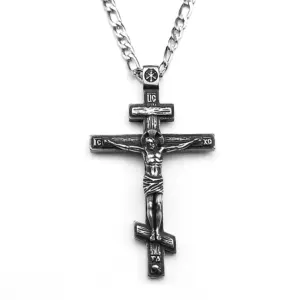
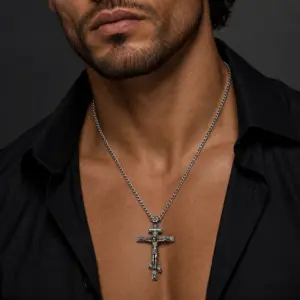
The Orthodox Cross
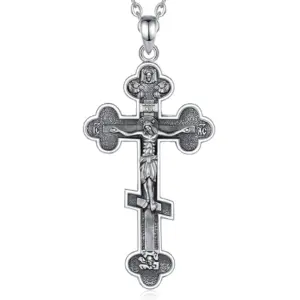
Three horizontal beams, with the lowest one set at an angle. Specifically associated with Eastern Orthodox Christianity. Less common as a fashion piece, more often worn as a devotional object.
The Gothic Cross
Ornate, darkened, often featuring elaborate metalwork or stonework. Popular in alternative fashion and music subcultures. Carries fewer strictly religious associations than plainer designs.
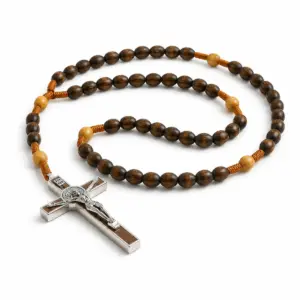
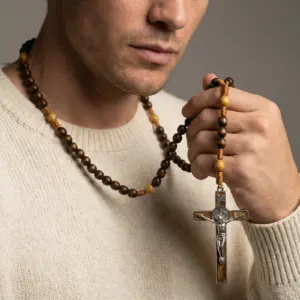
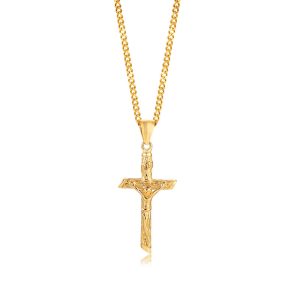
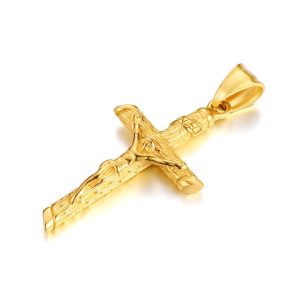
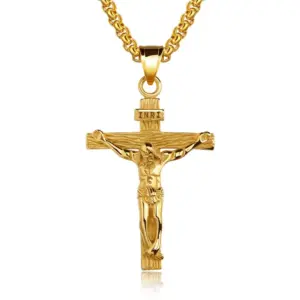
The Crucifix
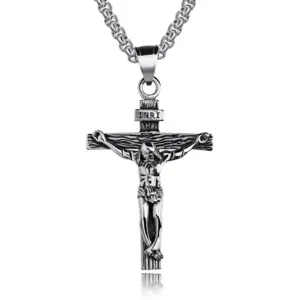
A cross bearing the figure of Christ. More specifically Catholic than other cross styles. If you’re not Catholic and want to avoid making an unintended statement, a plain cross is probably the better choice.
→ Not sure which style fits you? Our Cross Jewelry Buying Guide walks you through every option. Check our cross vs crucifx guide to understand the differences.


Which Cross Necklace Is Right for You
Whether you’re buying for faith, heritage, aesthetics, or a combination of all three – here’s how to think about it.
If You’re Buying for Faith
Go for quality materials and a design that reflects your tradition. Sterling silver or solid gold for longevity. A Latin cross for most Protestant traditions, a crucifix if you’re Catholic, an Orthodox cross if that’s your background.
→ Browse our Cross Necklace Collection — designed to be worn every day, for years.
If You’re Buying for Heritage
A Celtic cross if your roots are Irish or Scottish. A Latin cross if your family background is broadly Christian. Choose a metal and finish that feels personal rather than decorative.
If You’re Buying for Style
Focus on design, proportion, and how it works with your wardrobe. A simple gold or silver Latin cross is the most versatile. A more ornate design if you want something with visual impact.
→ See our full Gold Cross Necklace and Silver Cross Necklace collections.
If You’re Buying as a Gift
A cross necklace is one of the most meaningful gifts you can give – for baptisms, confirmations, graduations, and milestones. Choose the recipient’s metal preference if you know it, or go with sterling silver as a safe default.