The Cross as Woodworker’s Craft
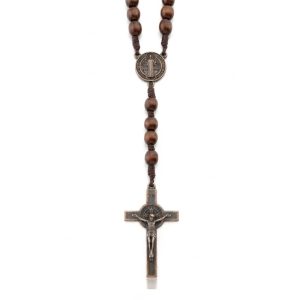
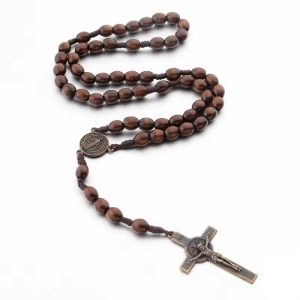
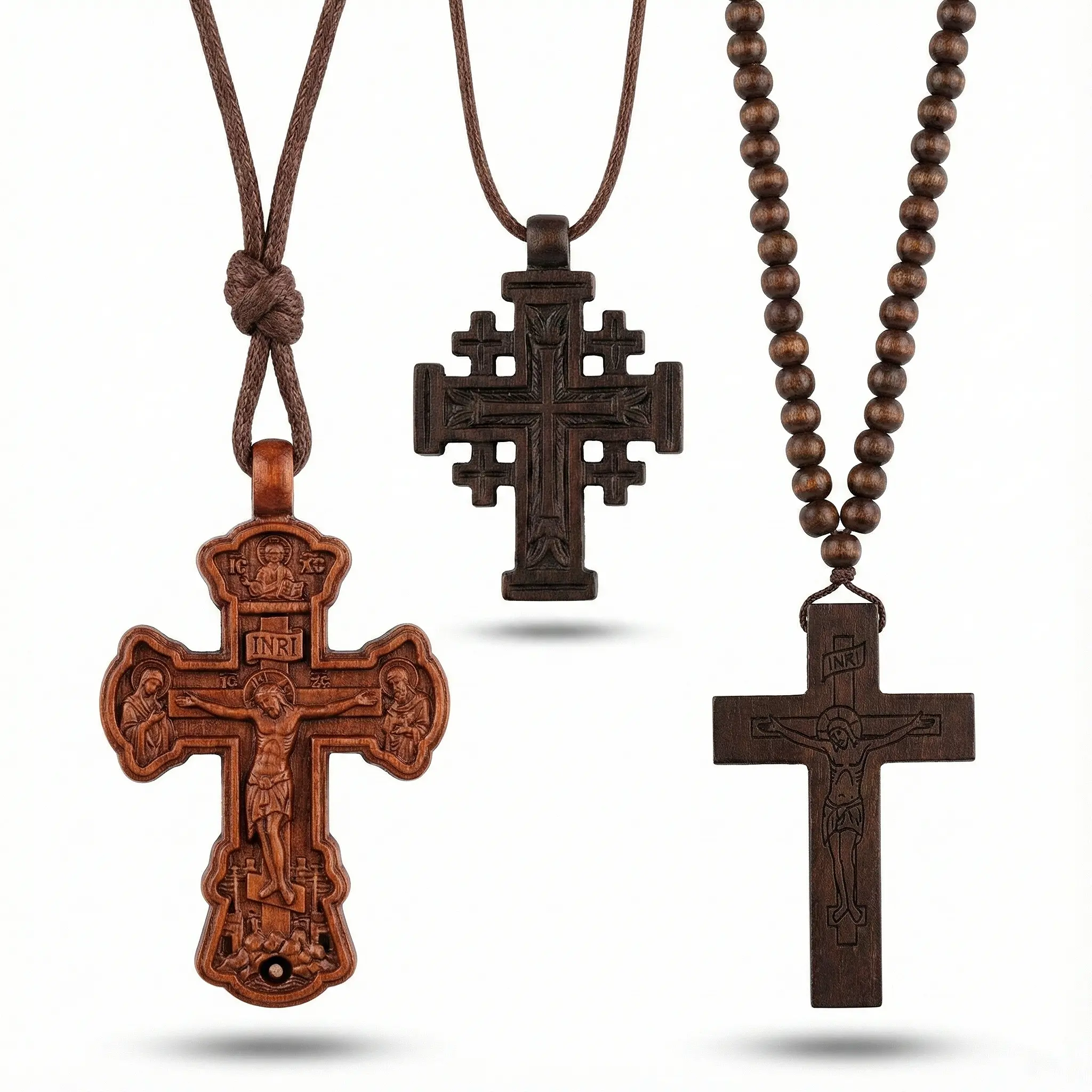
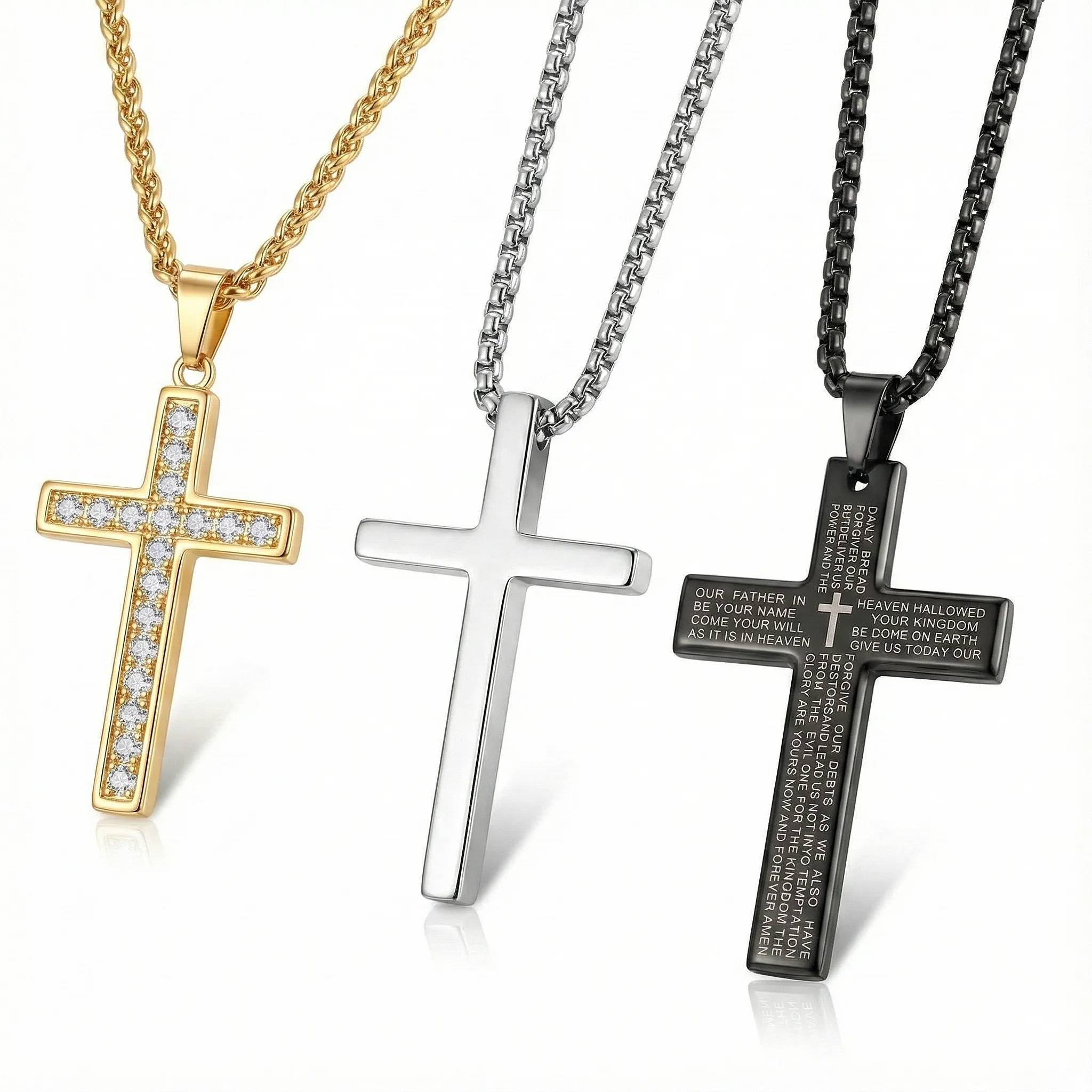
Nothing about how a cross takes shape in wood is incidental. The grain direction, the cut depth, the finish — each detail shifts the final character of the piece. A Jerusalem cross carved in dark walnut reads as meditative, weighted, intentional. An INRI inscription cut into pale olive wood speaks more directly to Orthodox and Catholic devotional practice. A Latin cross sanded smooth and finished with natural oil communicates everyday, undemonstrative faith. Crystia’s wooden pieces are selected where carving depth and surface finish reflect jewelry-grade woodwork, not production shortcuts.
Scripture, Iconography, and the Language of Relief Carving
Some wooden cross necklaces go further than form. Scripture verses, INRI inscriptions, and full iconographic scenes carved in relief transform a pendant into a devotional object meant to be handled, not just worn. These details are cut with precision into harder woods capable of holding fine lines, and they give the piece a narrative weight that smooth-surface jewelry rarely achieves. A large cross necklace in carved walnut with detailed iconography is a natural choice for someone whose faith is public and unconcealed. Those drawn to quieter expressions often favor a clean Latin cross on a waxed cotton cord at an 18″ to 20″ drop.
Worn by Men and Women, Grounded in the Same Symbol
The wooden cross necklace is one of the few styles that crosses gender lines without compromise. For women, lighter hardwoods and finer cords create an earthy contrast when layered over linen or worn against skin. For men, heavier carved pendants on thick adjustable cords carry the visual presence expected of a statement piece. The same symbol, the same material, worn differently: this adaptability is part of what makes the wooden cross enduring as a category rather than a trend.