Orthodox Cross Necklace

The orthodox cross necklace carries one of Christianity’s most theologically rich symbols: the three-bar cross, born from Byzantine liturgical tradition and recognized worldwide as the emblem of Eastern Orthodox faith. At Crystia, this collection brings together 316L stainless steel, 925 sterling silver, and gold-plated pieces, sized for men, women, and children, from bold devotional pendants to finer everyday designs.


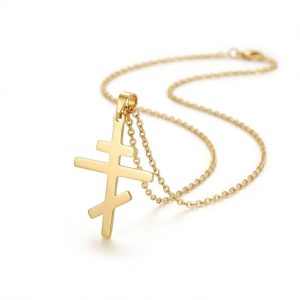
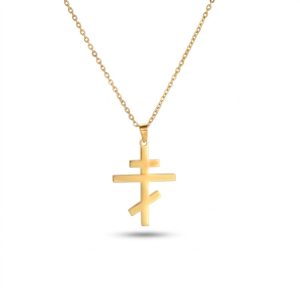
  • russian orthodox cross necklace goldRussian Orthodox Cross Necklace Gold stainless steel 14k gold pvd

    14K gold PVD on 316L stainless steel

    $29.95
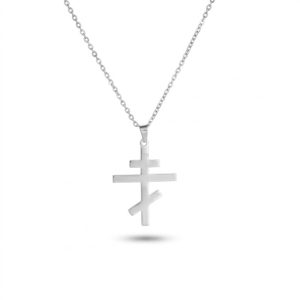
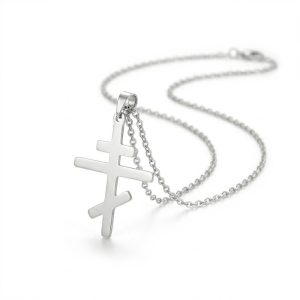
  • stainless steel orthodox cross necklaceStainless Steel silver Orthodox Cross Necklace modern

    316L stainless steel, mirror polish finish

    $29.95

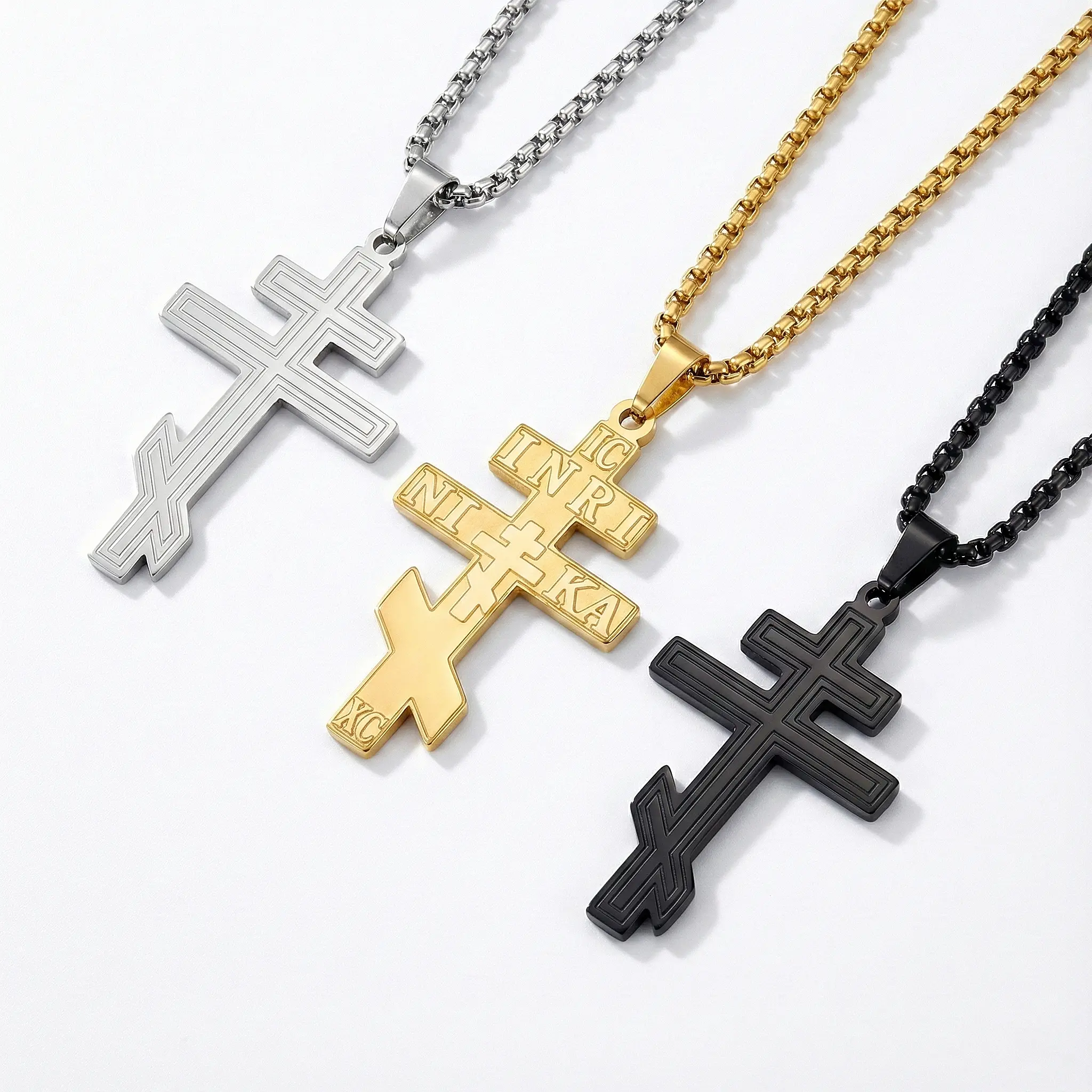
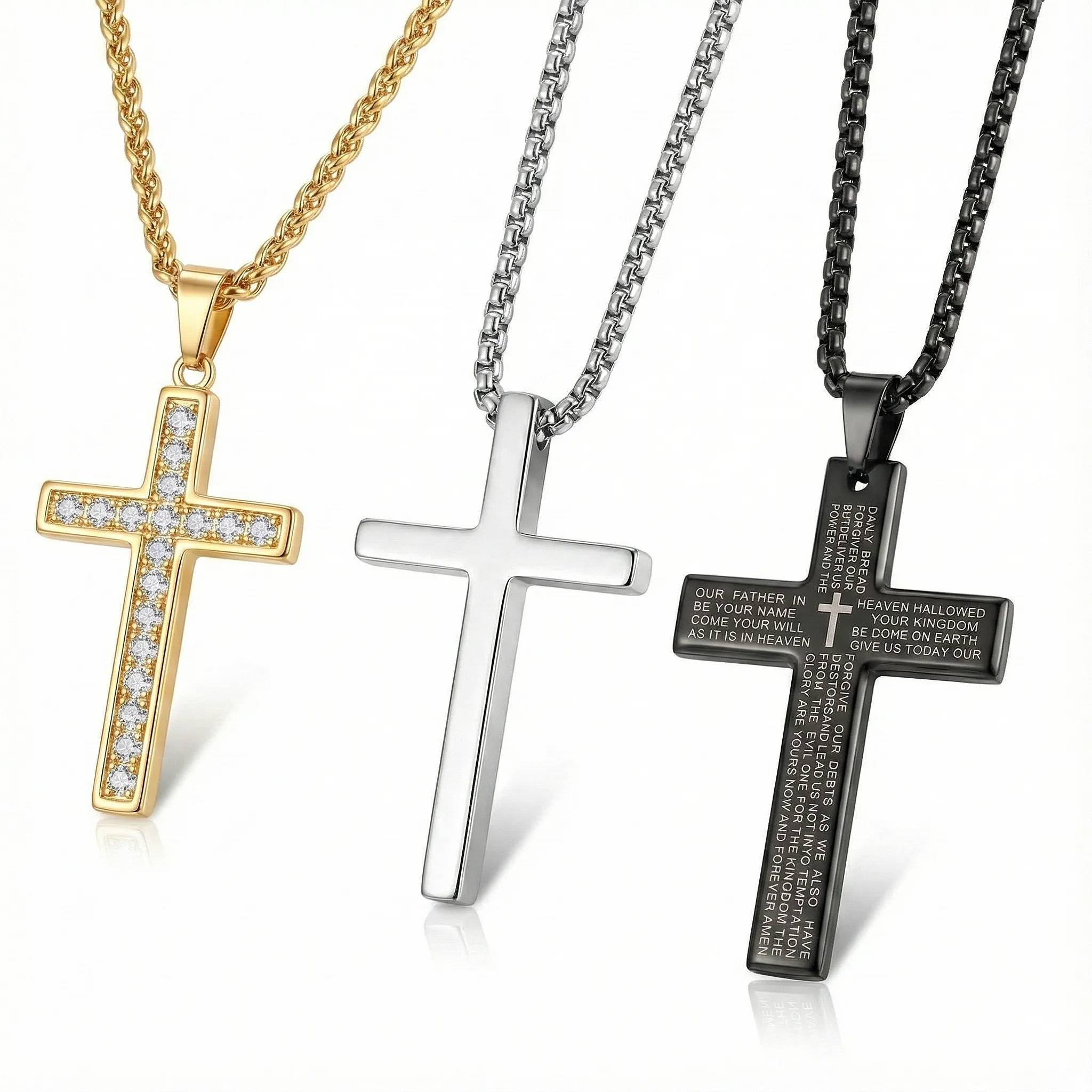
Trio of stainless steel Eastern Orthodox cross necklaces: Silver and black pendants with linear grooves, and a gold-tone cross with traditional IC XC NIKA engravings on box chains.

Rooted in the same devotional heritage as the crucifix necklace and the catholic cross necklace, the orthodox cross holds a visual language that sets it apart across the broader cross necklace category. For those drawn to a heavier, more architectural pendant, pieces like our gold cross necklace for men offer a natural complement in a warmer finish. Its three-bar structure, the inscriptions it bears, and the theological weight behind each element make it a necklace that speaks instantly to those who know its history.

Why Choose an Orthodox Cross Necklace?

The three-bar cross is not a simplified aesthetic choice — it is a theological blueprint. The top bar represents the titulus crucis, the placard bearing Christ’s name at the Crucifixion; the center bar is the main crossbeam; the angled lower bar references the footrest, its incline traditionally understood to distinguish the penitent thief from the impenitent. Wearing this cross signals not only Christian faith but a specific liturgical heritage spanning Greek, Russian, Serbian, and Ukrainian Orthodox traditions. At Crystia, each pendant is built from 316L surgical-grade stainless steel, naturally hypoallergenic and resistant to oxidation and moisture — ensuring the engraved inscriptions IC XC NIKA remain crisp after years of daily wear. Gold-plated versions use a 14K or 18K bonded layer applied over a steel base, delivering the warmth of gold without the fragility of flash plating, while 925 sterling silver pieces carry their own austerity that reads particularly well on deeply engraved surfaces.

The Geometry That Makes It Unmistakable

Three Bars, One Complete Confession

The orthodox cross is also called the Russian cross, the Serbian cross, or the Byzantine cross depending on regional tradition — yet the geometry remains consistent across all of them. The upper titulus bar, the central crossbeam, and the slanted suppedaneum form a composition that has appeared on Orthodox iconostases, monastery gates, and devotional jewelry for over a thousand years. The inclined footrest is the detail most immediately recognizable to those raised in Orthodox tradition, and in the pendants Crystia carries, that angle is reproduced with the precision the symbol demands.

What the Inscriptions Say

Many pieces in this collection bear Church Slavonic or Greek text engraved or embossed directly into the pendant face. IC XC NIKA — “Jesus Christ conquers” — is the inscription most deeply rooted in Orthodox iconographic practice; INRI appears on pieces that bridge Orthodox and Western Christian iconography. These characters are not decorative flourishes. In Orthodox devotional culture, they transform a metal pendant into an object of confession, something worn as much for what it states as for how it looks. The polished raised lettering on gold-plated pieces renders these inscriptions with particular visual presence.

Sizing Across Generations

Chain length shapes how an orthodox cross necklace reads. At 16″ to 18″, the pendant sits at the collarbone — the preferred length for women and younger wearers who want the piece close to the heart. At 20″ to 24″, the cross falls to mid-chest, the traditional position in Orthodox Christian culture for men’s devotional necklaces. Crystia offers box chains across these lengths, with lobster claw clasps as standard, and for the larger, more architecturally detailed pendants in the collection, a 3mm to 4mm box chain in stainless steel provides the visual weight the design calls for.

A Necklace for Every Expression of Faith

The orthodox cross necklace functions simultaneously as a devotional object and a personal style statement. A matte black stainless steel version carries the same doctrinal authority as a polished 18K gold-plated piece — both are expressions of the same symbol, calibrated to different aesthetics and intentions. For men who wear their faith visibly, the bold pendant on a 22″ to 24″ chain in brushed steel or warm gold is a complete composition. For women and younger wearers, a smaller-format orthodox cross on an 18″ box chain layers naturally alongside other pieces. The range at Crystia covers all of these wearing intentions without compromising the theological precision that defines this cross.
Keep Christ close, always.

Join Crystia for faith-inspired cross jewelry, new drops & exclusive US deals in your inbox.

Orthodox Cross Necklace FAQ

The orthodox cross, also called the Russian or Byzantine cross, has three horizontal bars rather than one. The top bar represents the titulus crucis, the center bar is the main crossbeam, and the lower bar is slanted to reference the footrest at the Crucifixion. This three-bar structure is specific to Eastern Orthodox Christian tradition and carries doctrinal meaning not present in the standard Latin cross.

IC XC is an abbreviation for “Jesus Christ” in Greek, and NIKA means “conquers” — together, IC XC NIKA means “Jesus Christ conquers,” a phrase central to Orthodox iconographic tradition. INRI is the Latin titulus: “Iesus Nazarenus Rex Iudaeorum,” meaning “Jesus of Nazareth, King of the Jews.” Both inscriptions appear across Orthodox and broader Christian devotional art and transform the pendant into a confessional object rather than simply a decorative one.

There is no formal restriction on wearing an orthodox cross, and many people wear it as a broader expression of Christian faith or in recognition of its historical and artistic significance. That said, the symbol carries specific theological meaning tied to Eastern Orthodox liturgical practice, and wearing it with awareness of that heritage is generally considered respectful within Orthodox communities.

Yes. The 316L stainless steel pieces are surgical-grade and hypoallergenic, making them suitable for sensitive skin. The 925 sterling silver pieces are also safe for most skin types. Gold-plated versions use a 14K or 18K layer bonded over a steel base; if you have a known sensitivity to plated jewelry, the solid steel or sterling silver options are the more reliable choice for long-term everyday wear.

For women and younger wearers, 16″ to 18″ keeps the pendant at the collarbone for a close, intimate wear. For men following traditional Orthodox wearing customs, 20″ to 24″ places the cross at mid-chest. If you plan to layer the necklace with other pieces, an 18″ chain provides the most versatility without visual crowding.

After each wear, wipe the pendant with a soft lint-free cloth to remove skin oils and moisture. Avoid contact with chlorine, perfume, and harsh cleaning products, which can degrade both plating and engraved surfaces over time. Sterling silver pieces benefit from occasional polishing with a silver-specific cloth. Store each necklace individually — engraved pendants scratch easily when tangled with other jewelry, and the inscriptions are among the most distinctive elements to protect.

Explore Our Cross Jewelry Collections

Find the perfect piece to express your faith. From bold statement crosses to delicate everyday symbols, each collection is designed with premium materials and timeless craftsmanship.