A Symbol Built Over Two Thousand Years
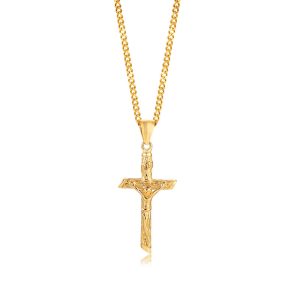
The cross as a Catholic devotional object consolidated its role in Christian practice around the 4th century, when Constantine’s Edict of Milan ended Roman persecution and opened the way for public expressions of faith. Over the following centuries, Catholic tradition layered specific iconographic codes onto the basic Latin form: the INRI inscription (Iesus Nazarenus Rex Iudaeorum), the three-dimensional corpus, the sacred heart, and later the Miraculous Medal and Saint Benedict medal. Wearing a Catholic cross necklace today connects directly to this accumulated history, whether the piece is worn as daily devotion or carried forward as a family inheritance.
Sacred Iconography in Metal and Stone
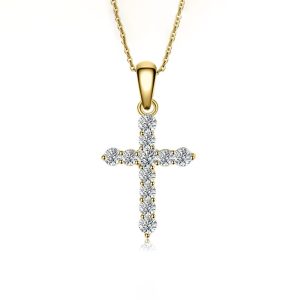
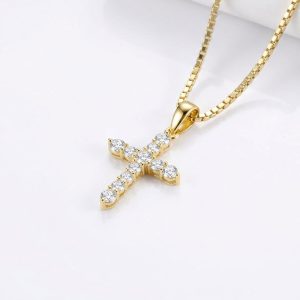
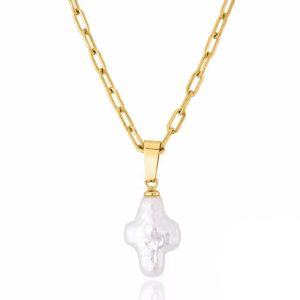
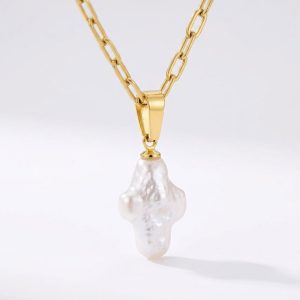
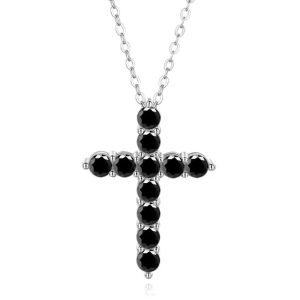
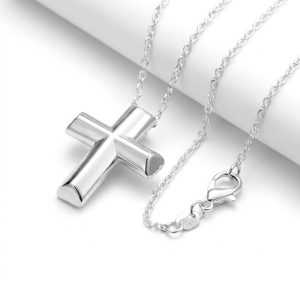
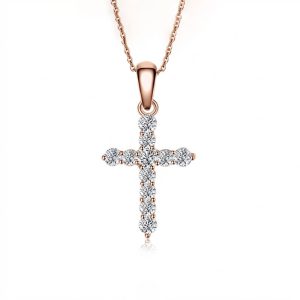
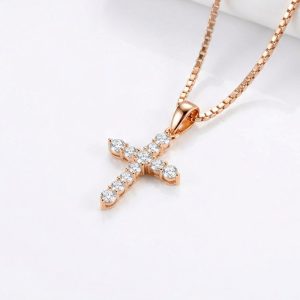
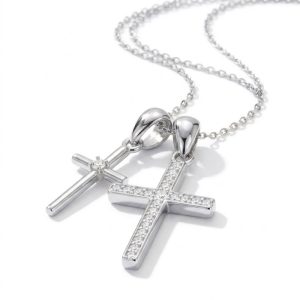
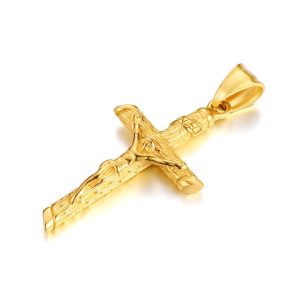
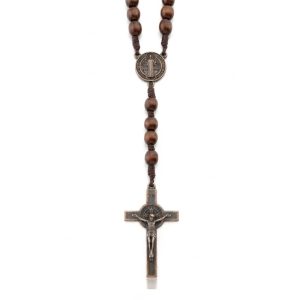
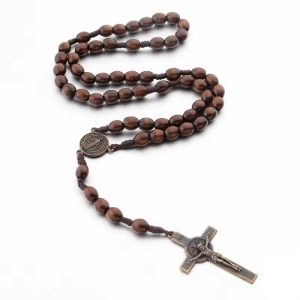
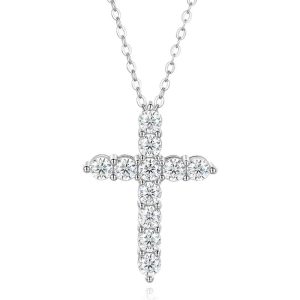
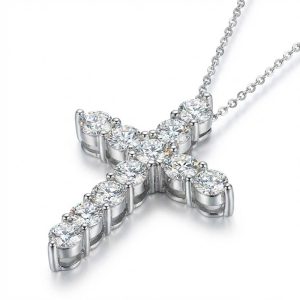
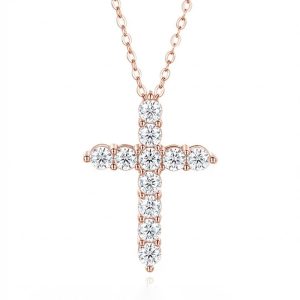
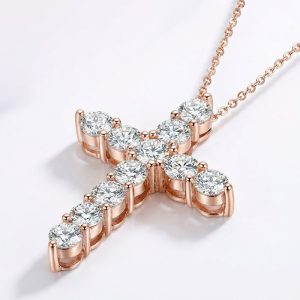
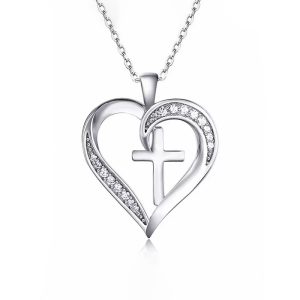
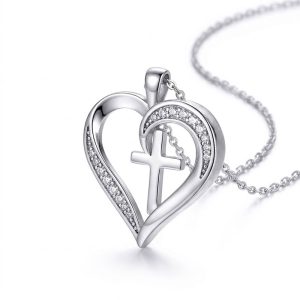
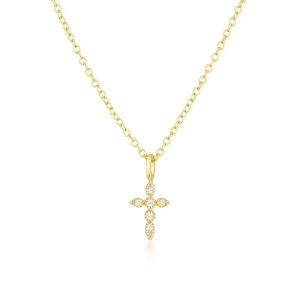
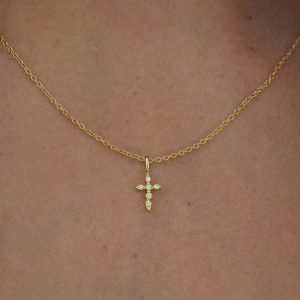
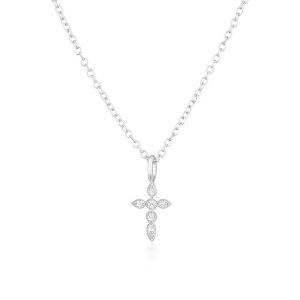
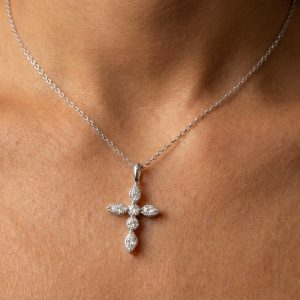
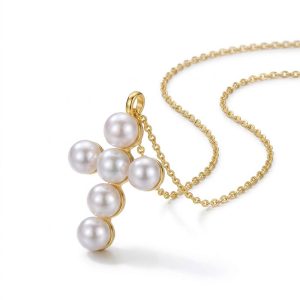
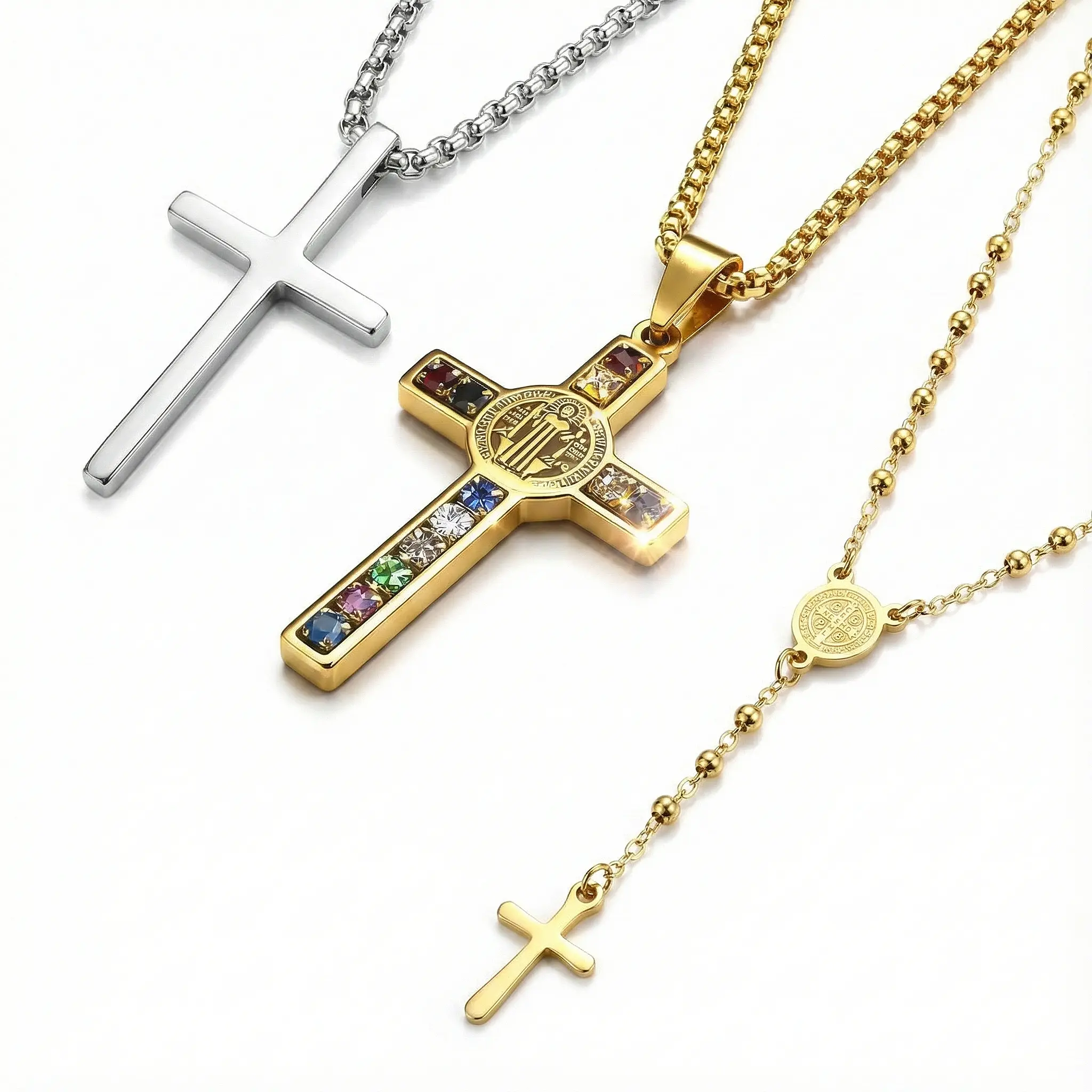
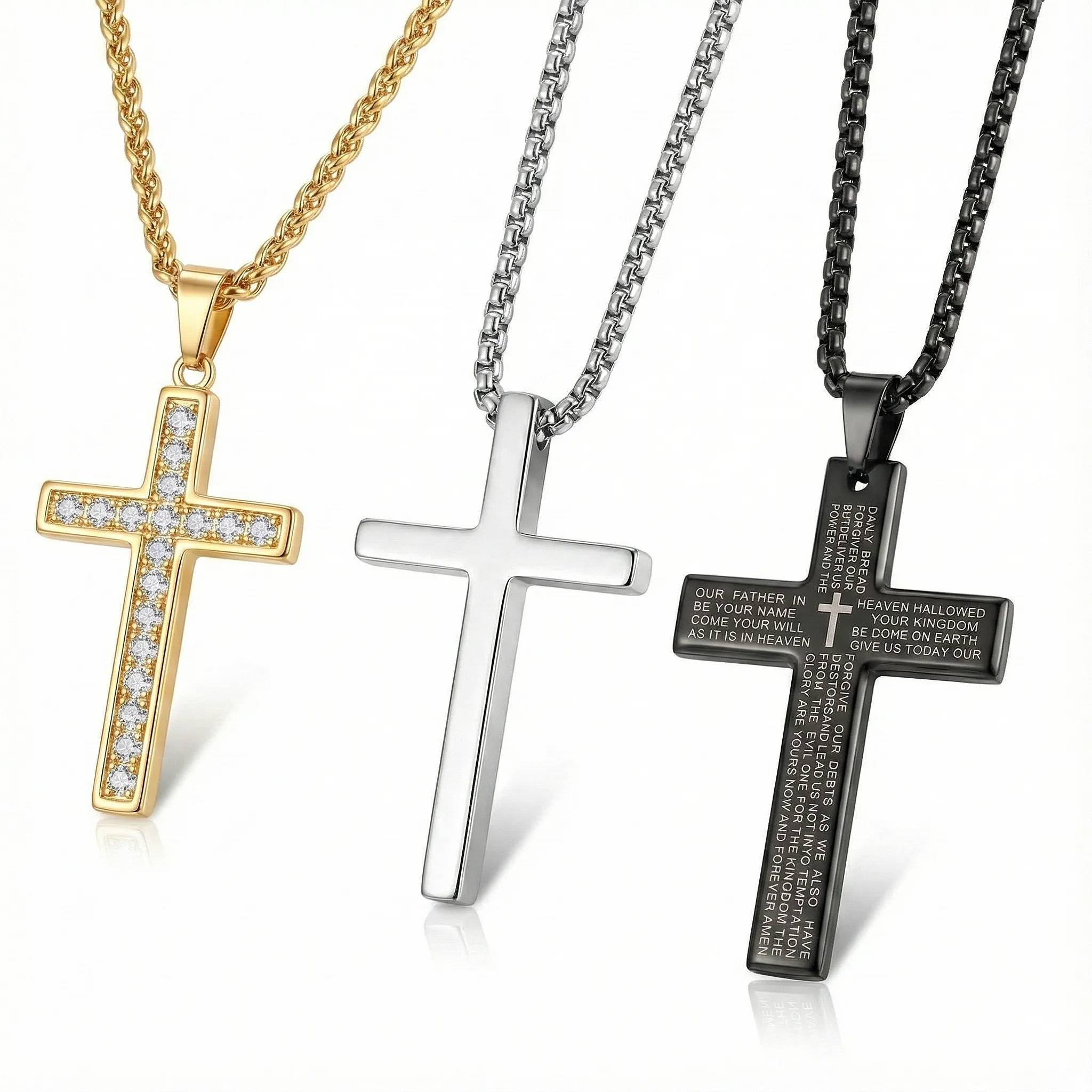
The most recognized Catholic pendants operate within a defined symbolic vocabulary. The corpus cross — showing Christ in his Passion — is standard in Roman Catholic practice and is particularly favored by adult wearers seeking a piece that speaks directly to the Passion narrative. The Saint Benedict medal cross integrates a protective prayer inscribed across its arms and is considered one of the most significant sacramentals in the Catholic tradition, worn both for devotion and protection. Stone-set versions, featuring channel-set cubic zirconia or genuine gemstones along the arms of the cross, add visual weight to pieces that already carry deep devotional meaning, making them natural choices for significant religious milestones.
Designed for Every Stage of Faith
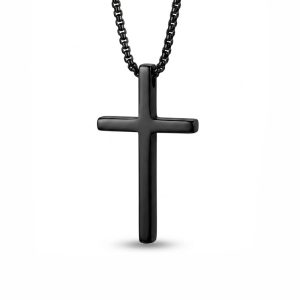
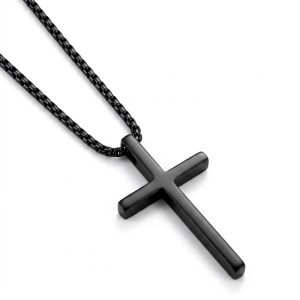
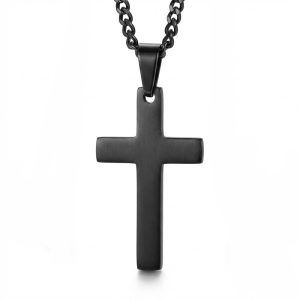
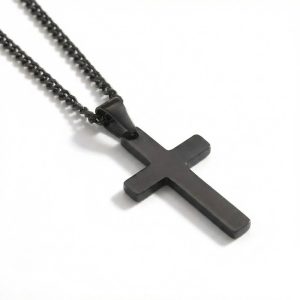
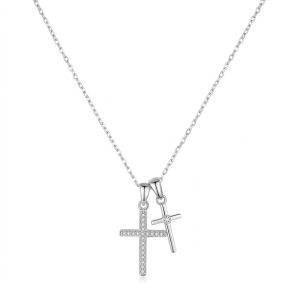
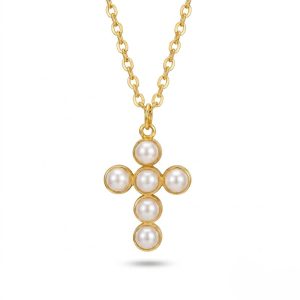
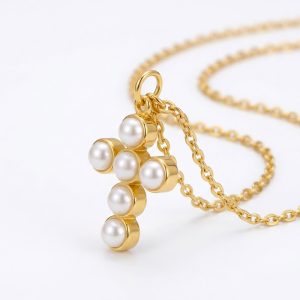
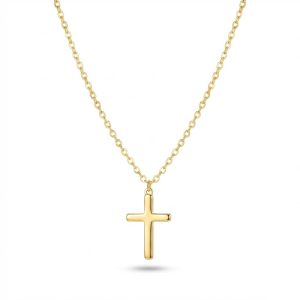
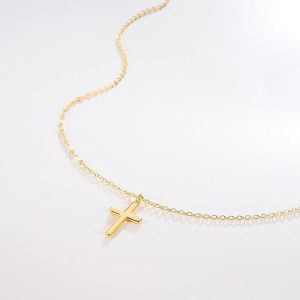
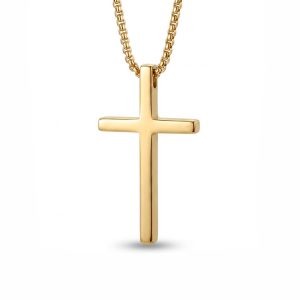
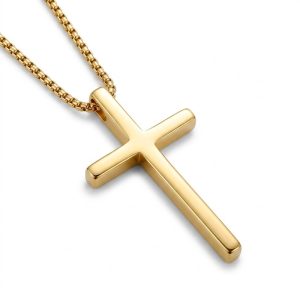
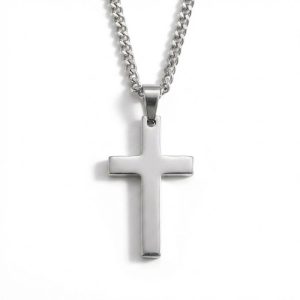
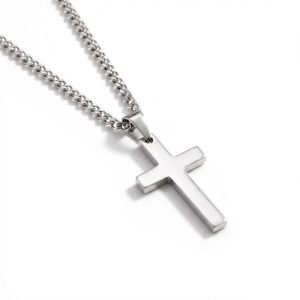
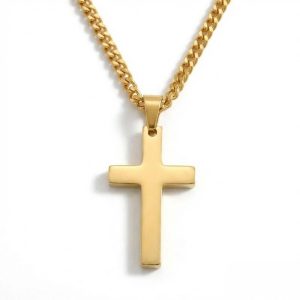
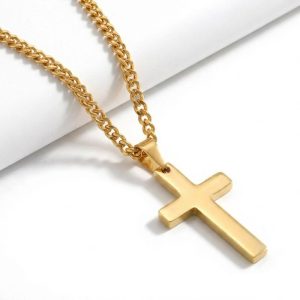
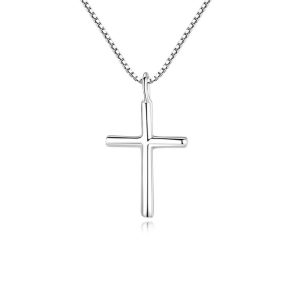
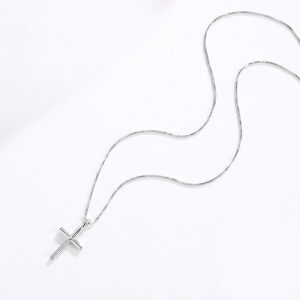
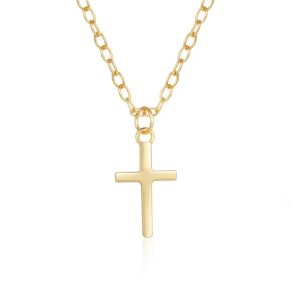
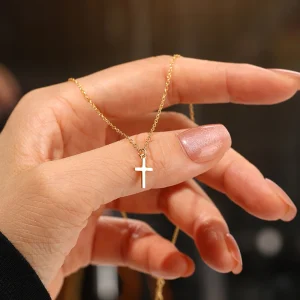
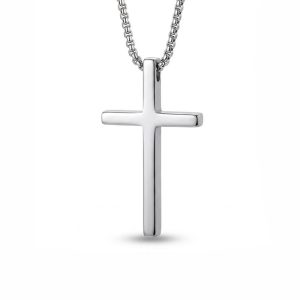
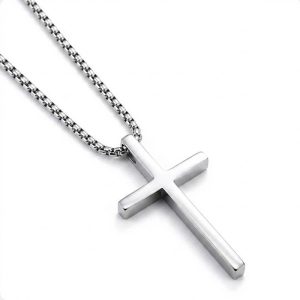
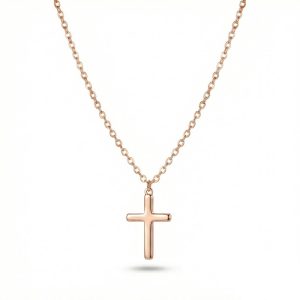
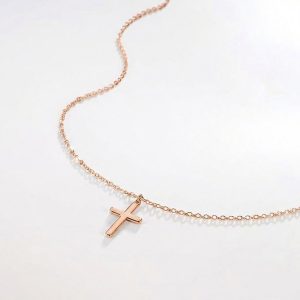
Catholic cross necklaces mark the major sacramental moments of a Catholic life: baptism, First Communion, Confirmation, and marriage. This occasions-driven tradition makes them among the most purposeful gifts in religious jewelry. For children, lightweight pendants in polished stainless steel or thin gold-plated silver on 14″ to 16″ chains keep the piece comfortable and age-appropriate. Pieces intended for teenagers and adults typically feature stronger proportions: wider arms, bolder finishes, more prominent engraving. Men’s designs often favor a clean, unadorned Latin form on a box or curb chain, while women’s and girls’ pieces may incorporate filigree detailing or delicate stone accents. The right piece depends less on personal taste than on the sacramental context it is meant to honor.
The Crystia Quality Commitment
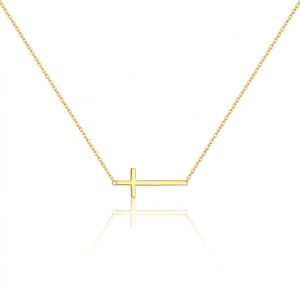
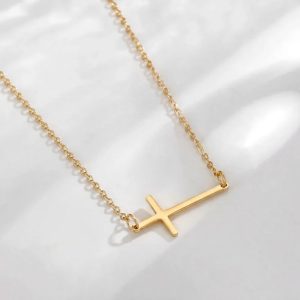
Every piece in this collection is evaluated for structural integrity before it reaches the listing stage. That means testing lobster claw clasps and spring rings for repeated-use durability, verifying that plating adhesion meets our benchmarks, and sourcing pendants with consistent arm geometry — no warping, no asymmetry across the cross. The artisans we work with have specific experience in religious jewelry, which means they understand that a piece bearing sacred iconography cannot be produced with shortcuts. Our quality standards apply equally to minimalist everyday pieces and to heavier statement pendants, because the expectations placed on a devotional object do not scale with price point.