Silhouette and Construction: How the Cross Is Worn
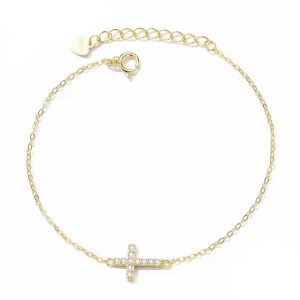
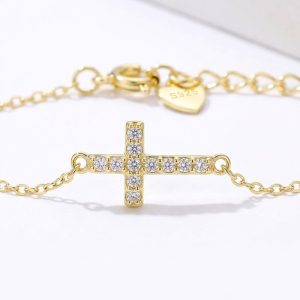
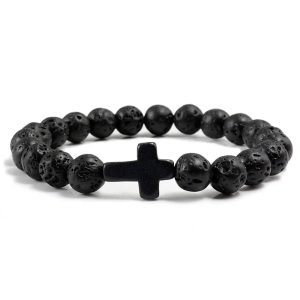
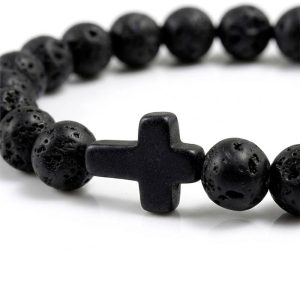
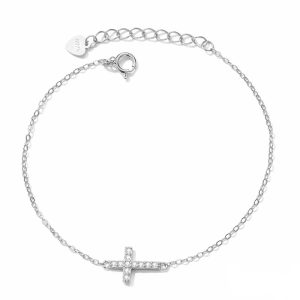
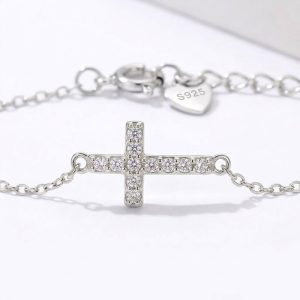
The cross appears differently depending on how the bracelet is built, and that construction choice shapes the entire feel of the piece. On a fine cable or box chain, the cross becomes a pendant element centered at the wrist, the symbol framed and isolated in a way that gives it full visual weight. On a rigid bangle, it sits flush with the curve of the metal, integrated rather than hanging, reading as architectural rather than devotional. Adjustable pull-cord or slide-lock styles, by contrast, let the cross float freely along the wrist, combining ease of fit with a more casual, contemporary feel. Each construction carries the same symbol but communicates a different relationship to it.
Metals, Tones, and What They Say
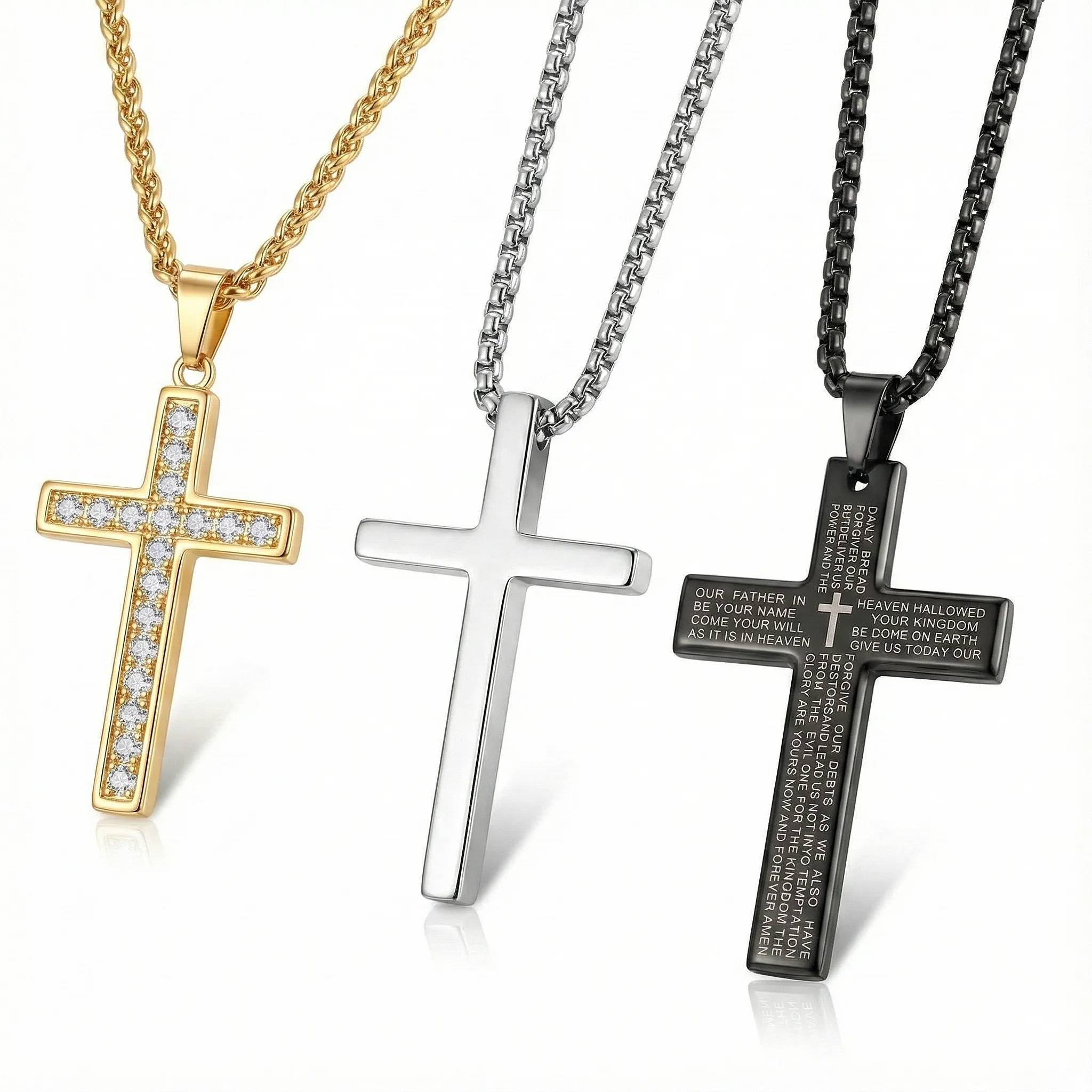
Gold-tone cross bracelets read warm and intentional, and tend to work naturally in layered stacks built around yellow gold rings or fine necklaces. Silver-tone styles offer cooler versatility, pairing as easily with minimalist everyday wear as with more polished looks. Rose gold, which appears across several styles in this collection, occupies a distinct register: softer than yellow gold, warmer than silver, and currently among the most requested finishes for women’s faith jewelry in the US market. Across all three tones, the cross maintains its clarity and proportion at the wrist scale typical of women’s bracelet designs.
The Right Moment for a Cross Bracelet
Few pieces transition as naturally between occasions as a well-chosen cross bracelet. A stone-set chain style in gold tone works through a full Sunday, from service to brunch to the rest of the week. A simple bangle with a flush cross reads quietly enough for professional settings while still carrying its meaning to anyone who notices it. As a gift, cross bracelets for women have consistent resonance at confirmations, baptisms, graduations, and Christmas — partly because they’re wearable immediately, without ceremony or adjustment, and partly because the symbol speaks across generations. A mother, a daughter, and a grandmother can wear the same motif in completely different constructions without any conflict of style.