
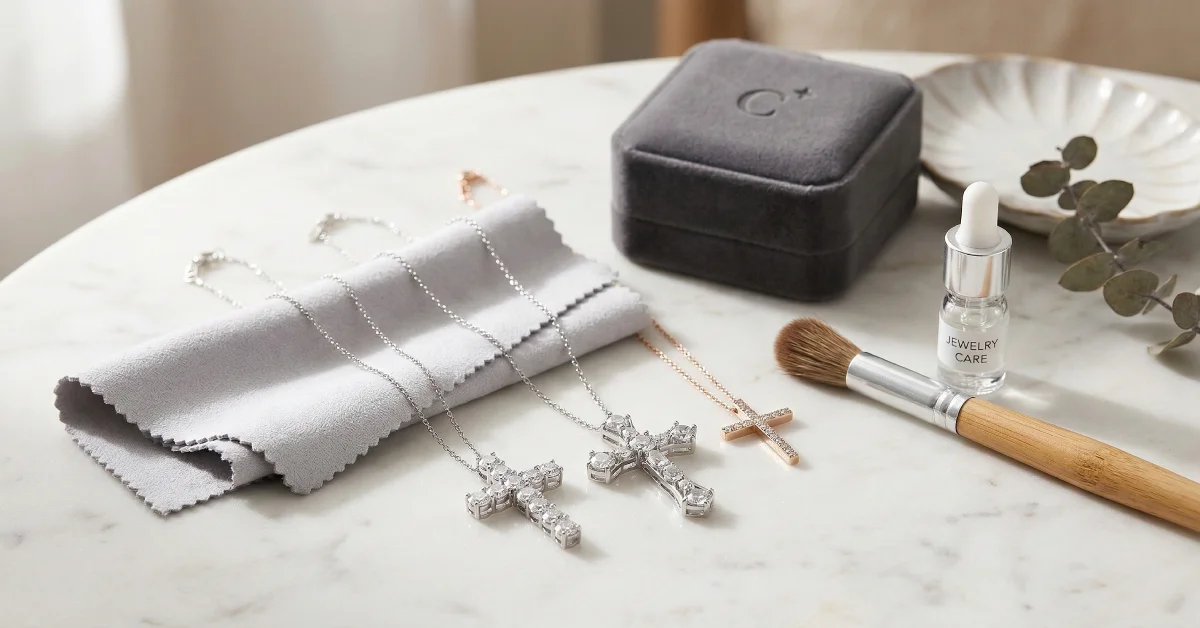
Crystia jewelry care guide
TL;DR – Quick Care Reference
Short on time? Here’s the essential do/don’t for every material Crystia uses.
|
Material |
✅ Do |
❌ Don’t |
|---|---|---|
|
Sterling Silver 925 |
Soft cloth after each wear, silver polishing cloth for tarnish |
Bleach, rubber, long exposure to air/humidity |
|
Stainless Steel 316L |
Warm soapy water, dry thoroughly |
Prolonged saltwater or chlorine (still corrosive over time) |
|
PVD Gold Plating 14k/18k |
Gentle wipe with damp soft cloth, store away from other metals |
Abrasive cloths, ultrasonic cleaners, bleach, hand creams |
|
CZ, Moissanite & Lab Crystals |
Soft toothbrush + mild dish soap, rinse well |
Harsh chemicals, ultrasonic cleaners on glued settings |
|
Natural & Cultured Pearls |
Wipe with damp cloth after wear, restring when needed |
Any chemical cleaner, ultrasonic, acids, perfume contact |
|
Wood |
Dry cloth, occasional food-grade oil if drying out |
Water immersion, humidity, direct sun for long periods |
|
Leather |
Leather conditioner every few months, keep dry |
Water, direct heat, sharp bending at the same spot |
Good jewelry doesn’t just look good on day one. With the right habits, a sterling silver cross necklace or a PVD gold bracelet stays as sharp five years from now as it does today. This guide covers everything: which products are safe, which ones will quietly destroy your pieces, and how to store and wear your jewelry so it lasts.
A few rules apply to every piece, regardless of material:
- Apply perfume, hairspray, and lotion before putting on your jewelry — not after. Chemicals in these products accelerate tarnish and wear on plating.
- Avoid chlorinated water and saltwater. Both are corrosive. Take your jewelry off before swimming pools, the ocean, and hot tubs.
- Rinse off sweat after workouts. Sweat is mildly acidic and builds up fast on bracelets and rings.
- Store pieces separately. Metal against metal causes scratches. Use individual pouches, a lined jewelry box, or small zip bags.
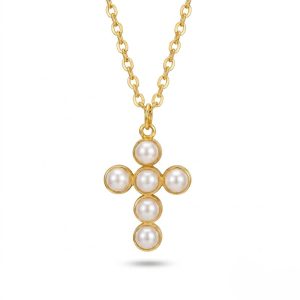
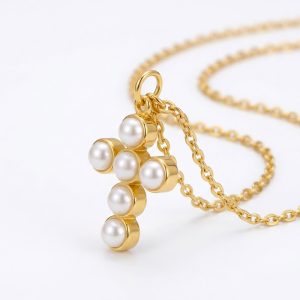
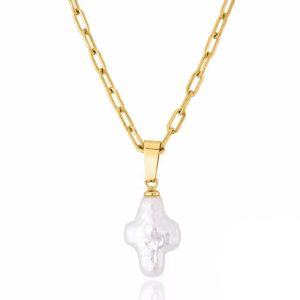
A few of our best sellers :
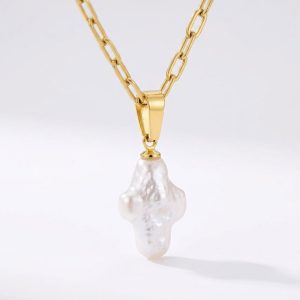
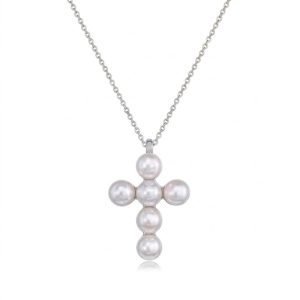
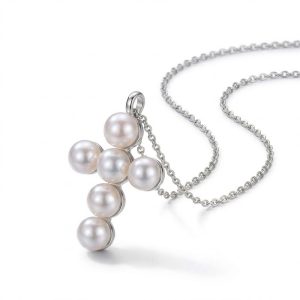
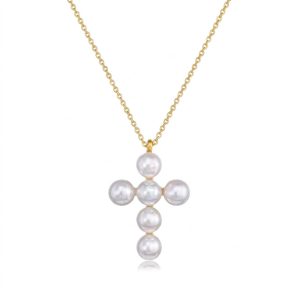
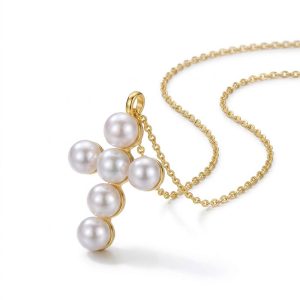
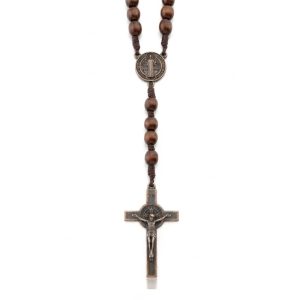
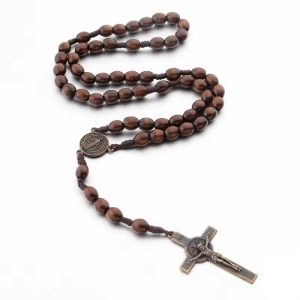
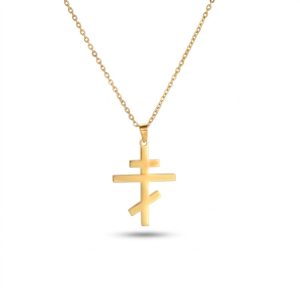
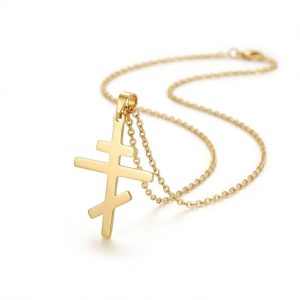
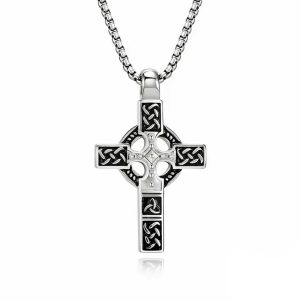
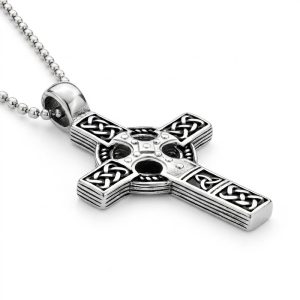
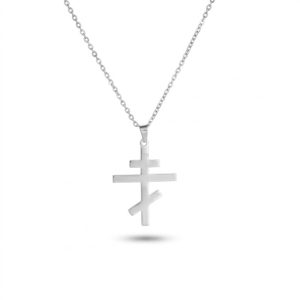
How to Care for Jewelry by Material
Different materials age in completely different ways. This section covers cleaning methods, products to avoid, and how to handle tarnish or wear when it shows up.
Sterling Silver 925
Sterling silver is 92.5% pure silver mixed with copper or other metals for durability. That copper content is what causes tarnishing — the blackish or yellowish discoloration that shows up over time, especially in humid environments or when exposed to sulfur compounds (rubber bands, wool, certain foods).
Day-to-day care: Wipe your silver pieces with a soft, lint-free cloth after each wear to remove skin oils and moisture. This alone significantly slows down tarnishing.
Removing tarnish: Use a dedicated silver polishing cloth — no liquid required for light tarnish. For heavier buildup, apply a small amount of non-gel toothpaste or a silver cleaning paste with a soft toothbrush, rinse thoroughly with lukewarm water, and dry immediately with a cloth. Never let silver air-dry.
Products to avoid:
- Bleach and chlorine-based cleaners — they permanently damage silver
- Rubber bands and rubber-lined drawers — rubber contains sulfur, which accelerates tarnish
- Ultrasonic cleaners on silver with glued stones
- Abrasive sponges or rough cloths
Storage: Keep silver in an airtight bag or anti-tarnish pouch when not wearing it. Anti-tarnish strips placed in your jewelry box absorb sulfur from the air and extend the time between cleanings.
Stainless Steel 316L
316L stainless steel is the most corrosion-resistant grade used in jewelry. It contains molybdenum, which makes it highly resistant to saltwater, sweat, and most chemicals. This is the closest thing to a “low maintenance” metal in jewelry.
Cleaning: Wipe down with warm water and a drop of mild dish soap using a soft cloth or soft toothbrush. Rinse and dry completely — standing water can cause spotting even on steel.
For fingerprints and smudges: A small amount of rubbing alcohol on a soft cloth works well and evaporates quickly without leaving residue.
Products to avoid:
- Prolonged exposure to chlorinated water and saltwater — 316L resists corrosion well but extended contact will eventually dull the finish
- Steel wool or abrasive pads — will scratch polished surfaces
- Bleach-based cleaners
Note on brushed vs. polished finishes: If your stainless steel piece has a brushed finish, always clean in the direction of the grain to avoid cross-scratching. Polished finishes are more forgiving but show fingerprints more easily.
PVD Gold Plating (14k & 18k)
PVD (Physical Vapor Deposition) is a vacuum-bonding process that creates a harder, thicker gold layer than traditional electroplating. It’s significantly more durable, but the coating is still finite — friction, chemicals, and abrasion will wear it down over time.
Cleaning: Use a soft, slightly damp cloth and wipe gently. That’s it. Avoid anything more aggressive for day-to-day care.
For deeper cleaning: A few drops of mild soap in lukewarm water, applied with a soft cloth — no scrubbing. Rinse quickly under cool water and dry immediately with a clean cloth.
Products to avoid:
- Abrasive or textured cloths — they remove the PVD layer
- Ultrasonic cleaners — the vibration degrades the coating
- Bleach, acetone, alcohol, and hand sanitizer — all strip PVD faster than regular wear
- Hand lotions and creams applied while wearing the piece
Wear habits that matter: PVD gold lasts longest when you take pieces off before washing hands, working out, or sleeping. The edges and raised surfaces of a piece are the first areas where the coating shows wear — this is normal and expected over time, not a defect.
Storage: Keep PVD pieces away from other metals. Metal-on-metal contact is the main cause of premature scratching on plated jewelry.
CZ, Moissanite & Lab-Created Crystals
Cubic zirconia, moissanite, and lab-created crystals are all extremely hard stones — they won’t scratch or chip under normal wear. What degrades their appearance over time is product buildup (soap, lotion, skin oil) trapped around the setting, which dulls the way they catch light.
Cleaning: Mix a small drop of mild dish soap with warm water. Use a soft toothbrush to gently scrub around and under the stone, then rinse thoroughly under running water. Dry with a lint-free cloth. This restores brilliance quickly.
Prong-set vs. glued settings: This distinction matters for cleaning method. Prong-set stones (mechanically held) can be cleaned more thoroughly. Glued stones — common in some crystal pavé and decorative pieces — should only be wiped gently with a damp cloth. Soaking or using ultrasonic cleaners on glued stones risks loosening them.
Products to avoid:
- Chlorine bleach — can permanently cloud CZ
- Ultrasonic cleaners on glued or pavé settings
- Abrasive cleaners
Note: Moissanite and high-quality CZ both have excellent hardness and are very resistant to everyday wear. If a stone looks dull, it almost always just needs a cleaning — not a replacement.
Natural & Cultured Pearls
Pearls are organic — they’re made of calcium carbonate and protein layers secreted by mollusks. That structure makes them beautiful and also uniquely sensitive to chemicals, acids, and even the natural acidity of your skin over time.
After each wear: Wipe with a soft, slightly damp cloth to remove skin oils, sweat, and any product residue. Let them air dry flat before storing.
Deep cleaning: Dampen a soft cloth with plain water (no soap if possible, or a tiny amount of very mild soap). Wipe each pearl individually. Never soak pearl strands — water damages the silk thread and weakens the knots between pearls.
Products to avoid:
- Any chemical jewelry cleaner
- Ultrasonic or steam cleaners
- Vinegar, lemon juice, or anything acidic
- Perfume and hairspray applied after putting them on — these are particularly damaging to the nacre surface
Restringing: Pearl necklaces strung on silk should be restrung every one to two years depending on wear frequency. You’ll notice the thread yellowing or the knots loosening before it becomes a problem — don’t wait for a break.
Storage: Store pearls flat, not hanging — hanging stretches the strand. Keep them in a soft pouch or cloth, away from other jewelry that could scratch the surface. Pearls need some humidity; storing them long-term in a sealed airtight bag can actually dry out the nacre.
Wood
Wood jewelry is lightweight and distinctive, but it’s one of the most environmentally sensitive materials in the category. Wood expands and contracts with humidity changes and is vulnerable to water damage and prolonged sun exposure.
Cleaning: Wipe with a dry or very slightly damp cloth. Do not submerge or run under water.
Conditioning: If a wooden piece starts to look dry, dull, or shows hairline cracks, apply a tiny amount of food-grade mineral oil or beeswax with a soft cloth. Let it absorb for a few minutes, then buff off the excess. This restores the surface and helps protect against moisture.
Products to avoid:
- Water immersion of any kind
- Chemical cleaners and alcohol-based products
- Direct prolonged sunlight — fades the finish and dries the wood
- Extreme temperature changes (leaving in a hot car, for example)
Wear habits: Take wood jewelry off before showering, swimming, or exercising. The combination of sweat, humidity, and friction accelerates wear significantly.
Leather
Leather used in jewelry — typically in wrap bracelets or cord-based designs — ages with wear, which is part of its appeal. But neglect or moisture damage shortens its lifespan and causes cracking.
Cleaning: Wipe with a clean, dry cloth to remove dust and surface dirt. For light stains, a slightly damp cloth works. Dry completely before wearing again or storing.
Conditioning: Use a dedicated leather conditioner every few months — or sooner if the leather starts to look stiff or dry. Apply with a soft cloth in circular motions, let it absorb, then buff gently. This keeps the leather supple and prevents cracking.
Products to avoid:
- Water — avoid wearing leather jewelry in rain, while swimming, or in the shower
- Direct heat sources (hair dryers, radiators) — dry leather naturally
- Alcohol-based or chemical cleaners
Storage: Store leather pieces flat or loosely coiled, not tightly bent at the same point repeatedly. A consistent bend point will crack over time. Keep away from direct sunlight and heat.
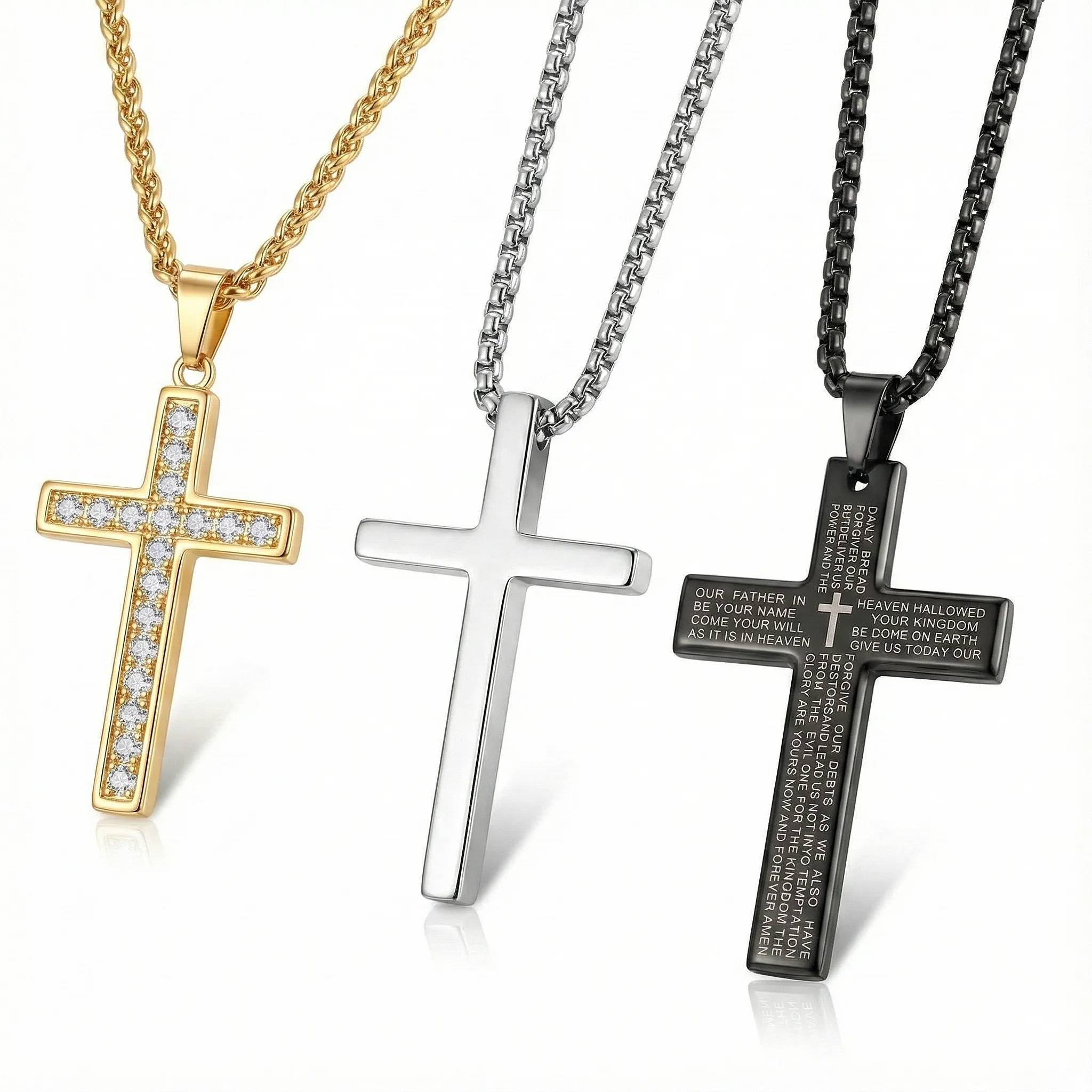
Sterling Silver, Gold Plated & Stainless Steel Cross Necklaces
Every cross necklace at Crystia is built to last – in the metal that fits your style and your budget.
How to Care for Jewelry by Type
Even with the right material care, how you wear and store a piece matters. This section covers format-specific risks and storage habits — not cleaning methods (covered above), but the day-to-day wear decisions that determine how long a piece actually lasts.
Necklaces & Pendants
Tangling: The most common damage to necklaces isn’t chemical — it’s mechanical. A tangled chain develops kink points that weaken over time. For storage, lay necklaces flat in individual sections of a jewelry box, or hang them on separate hooks. For travel, thread a chain through a straw and clasp it before coiling — prevents tangles in transit.
Clasp care: The clasp is the highest-wear point on a necklace. Lobster clasps and spring rings can weaken if they’re constantly forced open under tension. Fasten and unfasten gently, and check the clasp periodically for signs of deformation.
Layering: If you layer necklaces, be aware that different metals rubbing together causes micro-scratching on softer or plated pieces. This is especially relevant for PVD gold layered with stainless steel. Separate them when storing.
Pendant weight: Heavier pendants put more strain on both the chain and the bail (the loop or connector). If a pendant feels heavy for the chain gauge, consider switching to a thicker or sturdier chain to avoid stress fractures at the connection point.
Bracelets
Bracelets take more physical abuse than any other jewelry type. They’re constantly in contact with surfaces — desks, keyboards, gym equipment — and they absorb the most sweat of any piece you wear.
Daily wear considerations: Take bracelets off before intense workouts, manual work, or any activity involving tools or machinery. The combination of sweat and friction accelerates plating wear and can stress metal links. For leather or wood bracelets, this applies even more strictly.
Stacking friction: Stacked bracelets look great but create constant metal-on-metal contact. Rotate which bracelets you stack to reduce concentrated wear on specific pieces, and separate them when storing.
Clasp and link inspection: Periodically check links for deformation and clasps for proper closure. A bracelet that falls loose during wear risks loss more than damage. If a lobster clasp feels easy to open with light pressure, it’s time to have it checked.
Sizing: A bracelet that fits too tightly cuts into the skin and deforms faster under tension. One that’s too loose swings and takes hits constantly. Both reduce lifespan significantly.
Earrings
Earrings have a hygiene dimension that no other jewelry type shares — they go through pierced tissue. Buildup of dead skin cells, sebum, and product residue on posts and backs is not just an aesthetic issue; it’s a health one.
Cleaning posts and backs: Clean the posts and earring backs regularly with a cotton pad dampened with rubbing alcohol. This removes buildup and reduces the risk of irritation. Do this weekly if you wear the same pair daily.
After getting a new piercing: Follow your piercer’s aftercare instructions for the healing period. Stick to surgical-grade stainless steel, titanium, or solid gold during healing — no plated metals, no wood, no leather.
Heavy earrings: Large or heavy earrings stretch the piercing hole over time. Limit wear duration for statement pieces and alternate with lighter studs. If you notice elongation, give the piercing a break from heavy styles.
Storage: Store earrings in pairs, posts facing the same direction, in a holder with individual slots or a lined tray. Studs stored loose in a dish get their posts bent and their stones scratched against each other.
Rings
Rings are exposed to more chemicals than any other piece of jewelry you wear. Handwashing soap, hand sanitizer, cleaning products, cooking — your rings are there for most of it. This is what makes ring care unique compared to other types.
Take rings off for:
- Cleaning with household chemicals (bleach, ammonia, acid-based cleaners)
- Working with your hands — gardening, cooking, DIY
- Applying hand creams or sanitizer
- The gym — bars and weights cause significant surface scratching
Buildup under the setting: Residue accumulates under stone settings and between prongs faster on rings than on any other piece. Clean underneath with a soft toothbrush and mild soap regularly — buildup there is what makes stones look dull before their time.
Sizing and metal stress: Rings that are too tight are more likely to deform over time from the constant pressure of being squeezed on. If a ring is consistently difficult to remove, consider having it resized — this also prevents the metal from work-hardening and cracking at stress points.
Scratches: Rings scratch more than any other piece due to everyday hand use. Sterling silver and PVD-plated rings show wear the fastest. This is expected — it’s not a manufacturing defect. A jeweler can repolish sterling silver; PVD plating cannot be restored at home, but its wear pattern is usually gradual and even.